March 18, 2026
Food service operations depend on far more than great recipes and efficient staff. Behind every successful commercial kitchen is an infrastructure that supports cleanliness, safety, and regulatory compliance. One often overlooked but essential component of that infrastructure is the grease trap. Designed to intercept fats, oils, and grease before they enter the plumbing system, grease traps play a critical role in protecting both internal operations and municipal sewer systems. When these systems are neglected, the consequences can include costly backups, health violations, unpleasant odors, and even temporary shutdowns.
As food service environments become more complex and regulations continue to evolve, proactive maintenance has become a business necessity rather than an afterthought. Grease trap cleaning services help restaurants, cafeterias, institutional kitchens, and other food-related businesses maintain operational continuity while protecting their reputation and long-term investments. By integrating routine service into regular maintenance planning, food service operators can reduce risk, control costs, and maintain a cleaner, more efficient workspace that supports daily operations without interruption.
Supporting Regulatory Compliance and Health Standards
Food service establishments operate under strict local, state, and federal regulations designed to protect public health and environmental systems. Grease traps are a key area of inspection because improperly maintained units can lead to unsanitary conditions and sewer contamination. Routine grease trap cleaning services help businesses stay compliant with health department requirements and avoid penalties that can arise from overlooked maintenance issues.
Health inspectors often review grease trap records during routine inspections, especially in facilities with high cooking volumes. Consistent servicing demonstrates due diligence and provides documentation that shows the business is actively managing waste systems. Without proper cleaning, grease accumulation can exceed allowable limits, increasing the risk of violations or mandatory corrective actions. Proactive service reduces these risks and helps businesses maintain inspection readiness year-round.
Beyond avoiding fines, compliance also supports broader public health goals. Grease that escapes into sewer systems can cause blockages that lead to overflows, environmental contamination, and community health hazards. By investing in grease trap cleaning services, food service operators contribute to responsible waste management practices that extend beyond their own facilities.
Preventing Plumbing Failures and Operational Disruptions
Plumbing failures are among the most disruptive issues a food service operation can face. A clogged drain or sewer backup can halt kitchen activity, force temporary closures, and result in emergency repair costs. Grease buildup is a leading cause of these problems, particularly in high-volume kitchens where fats and oils are produced daily.
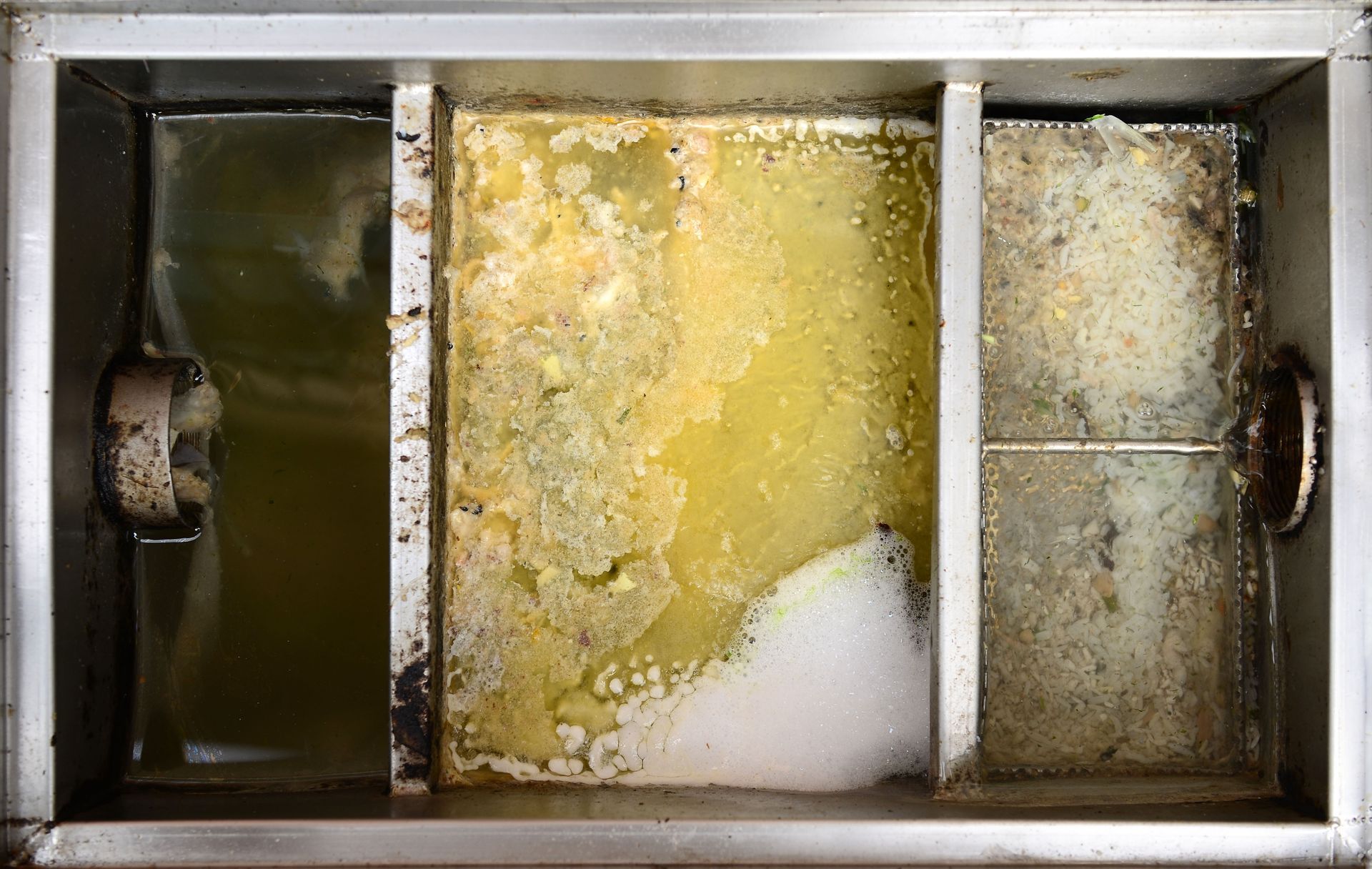
Routine grease trap cleaning services remove accumulated waste before it hardens and restricts flow. This preventative approach helps maintain proper drainage and reduces the likelihood of unexpected plumbing emergencies. Scheduled cleanings allow service providers to identify early warning signs, such as excessive grease production or structural wear, before they escalate into larger problems.
Operational continuity is critical in food service environments where downtime directly impacts revenue and customer satisfaction. By minimizing the risk of plumbing disruptions, grease trap cleaning services support smoother daily operations and help businesses avoid the stress and expense associated with emergency shutdowns.
Improving Workplace Sanitation and Odor Control
Cleanliness is a visible and measurable component of food service quality. While grease traps are often hidden from customers, their condition can significantly affect the overall sanitation of a facility. When grease traps are not cleaned regularly, trapped waste can decompose and produce strong, unpleasant odors that spread throughout the kitchen and dining areas.
Grease trap cleaning services help maintain a cleaner environment by removing decaying organic material before it creates sanitation concerns. This contributes to better air quality, reduces pest attraction, and supports a more comfortable workspace for staff. Employees working in clean, odor-free environments are more likely to maintain high standards in food preparation and handling.
Effective sanitation also protects brand perception. Customers may never see the grease trap, but they will notice odors, cleanliness issues, or service disruptions. Consistent maintenance helps ensure that behind-the-scenes systems support, rather than undermine, the customer experience.
Extending Equipment Longevity and Infrastructure Performance
Commercial kitchen infrastructure represents a significant investment, and protecting that investment requires regular care. Grease traps that are allowed to overflow or corrode due to neglect can suffer structural damage, leading to premature replacement costs. Grease trap cleaning services help extend the usable life of these systems by preventing excessive buildup and identifying potential issues early.
Proper maintenance also protects connected plumbing and wastewater systems. Grease accumulation can place additional strain on pipes, increasing the risk of leaks or long-term damage. Over time, this strain can compromise the integrity of the entire drainage system, resulting in costly repairs that extend beyond the grease trap itself.
By incorporating grease trap cleaning services into routine maintenance schedules, food service operators can preserve infrastructure performance and avoid capital expenses that stem from preventable wear and tear.
Supporting Sustainable Waste Management Practices
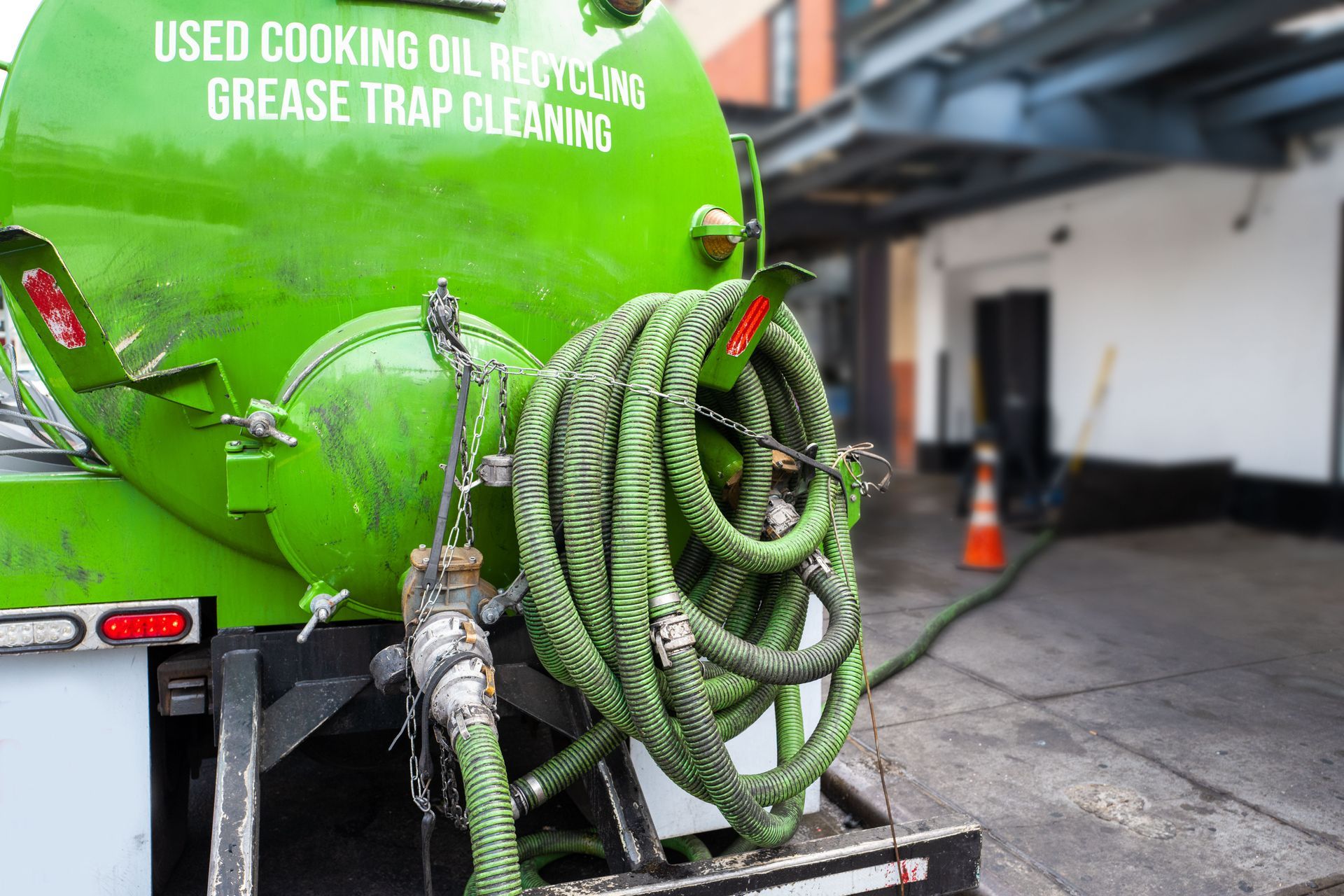
Sustainability has become an increasingly important consideration for food service operations, driven by both regulatory expectations and consumer awareness. Grease waste, when managed properly, can be diverted into recycling streams rather than contributing to sewer pollution. Grease trap cleaning services play a role in this process by ensuring that collected waste is handled responsibly.
Industry trends underscore the importance of proper grease management. According to Fortune Business Insights, the foodservice sector is expected to continue holding the largest share of the used cooking oil market in 2025. This highlights the volume of grease produced by food service operations and the need for structured systems to manage it effectively.
By partnering with professional service providers, businesses can ensure that grease waste is collected, transported, and processed in accordance with environmental guidelines. This not only supports sustainability goals but also aligns operations with evolving expectations around responsible resource management.
Enhancing Cost Control and Long-Term Planning
While grease trap cleaning services represent a recurring operational expense, they often reduce overall costs when viewed from a long-term perspective. Preventive maintenance is typically far less expensive than emergency repairs, regulatory fines, or equipment replacement. Scheduled service allows businesses to budget more accurately and avoid financial surprises.
Regular cleanings also provide valuable insights into kitchen operations. Service providers can help identify patterns in grease production, which may indicate opportunities for process improvements or staff training. These insights support more efficient operations and can contribute to better cost control across the facility.
From a planning standpoint, integrating grease trap cleaning services into standard operating procedures helps food service operators maintain consistency as they grow or expand. Whether managing a single location or multiple facilities, standardized maintenance practices support scalability and operational stability.
Strengthening Professional Image and Operational Confidence
Professionalism in food service extends beyond front-of-house presentation. It includes the systems and practices that ensure reliability, cleanliness, and compliance behind the scenes. Grease trap cleaning services support this professionalism by reducing uncertainty and allowing operators to focus on core business activities rather than reactive maintenance issues.
Knowing that waste management systems are being handled properly provides peace of mind for owners, managers, and staff. This confidence translates into better decision-making, improved staff morale, and a stronger operational foundation. It also reassures partners, inspectors, and stakeholders that the business is committed to responsible practices.
As food service operations face increasing demands related to safety, sustainability, and efficiency, consistent maintenance becomes a strategic advantage rather than a routine task. Grease trap cleaning services help ensure that essential infrastructure supports business goals instead of creating hidden risks. Call A&P Grease Trappers, Inc today to schedule your grease trap cleaning services.