April 16, 2026
Restaurants generate significant amounts of used cooking oil on a daily basis, and managing this waste responsibly is essential for both environmental and economic reasons. Restaurant oil recycling provides a sustainable solution by transforming used oil into reusable products while preventing improper disposal that can harm plumbing systems, local waterways, and municipal infrastructure. Understanding the steps involved in this process, from collection to final repurposing, allows restaurant owners and managers to implement multiple efficient practices that reduce waste, save costs, and support environmental initiatives.
Exploring the Collection Process for Used Oil
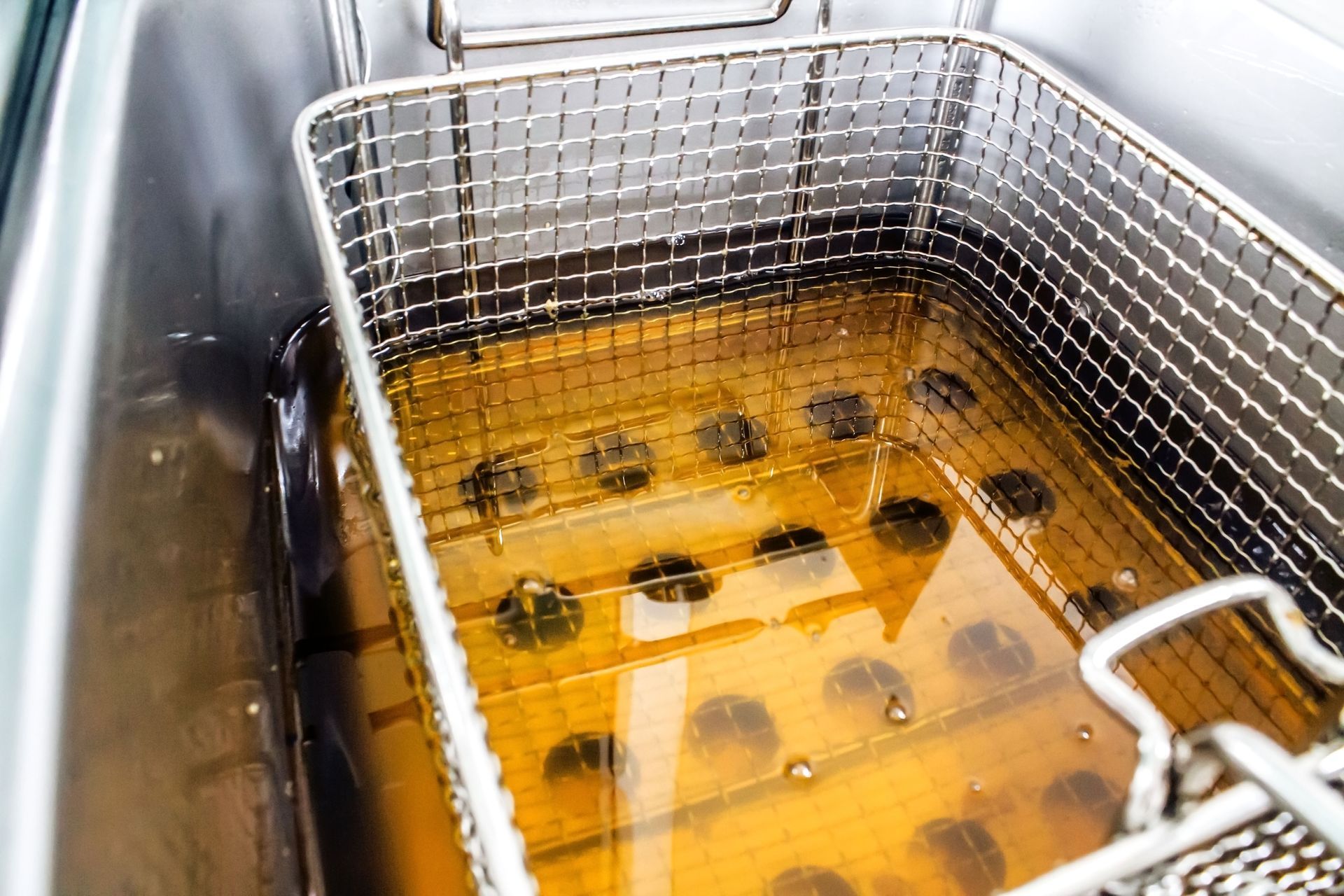
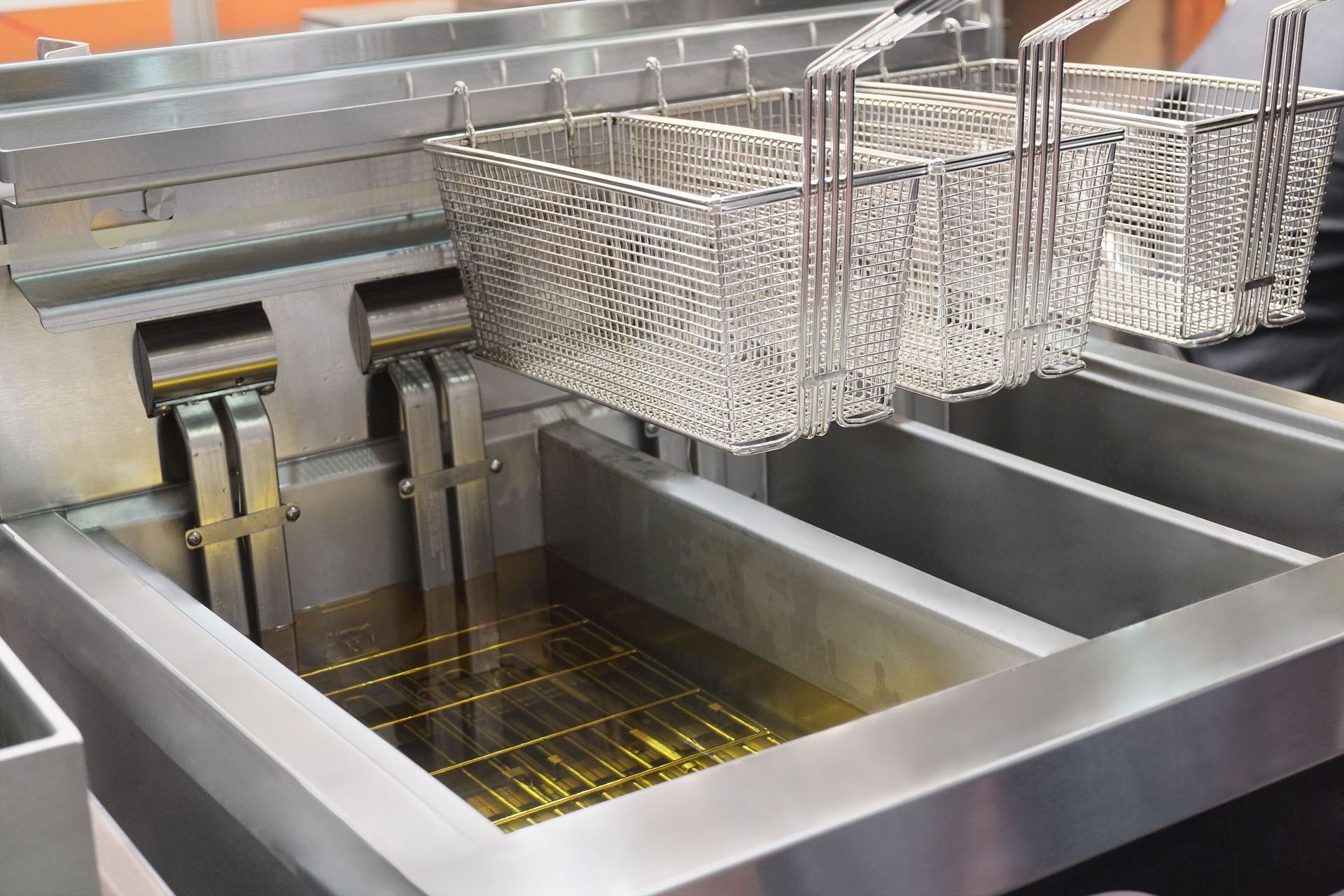
The first step in restaurant oil recycling is collecting used cooking oil in a safe and organized manner. Most restaurants designate specific containers or storage tanks to capture oil from fryers and other cooking equipment. These containers must be clean, leak-proof, and clearly labeled to prevent contamination and ensure easy handling by recycling personnel.
Collection frequency depends on the volume of oil generated and the restaurant’s operational schedule. Smaller establishments may accumulate enough oil to require weekly pickups, while larger operations may need daily removal to avoid overfilling tanks. By maintaining an organized collection system, restaurants streamline the recycling process and reduce the risk of accidental spills or contamination.
Highlighting Filtration and Preliminary Treatment
Once collected, used oil undergoes filtration and preliminary treatment to remove food particles, debris, and other impurities. Filtration helps extend the usable life of cooking oil, allowing restaurants to reuse it for multiple cooking cycles. According to Grease Connections, restaurants often reuse their cooking oil multiple times (3–5 cycles) through filtration before recycling. This practice not only reduces costs but also decreases the total volume of oil that requires disposal or processing.
Preliminary treatment also involves heating and straining the oil to separate any remaining solids. These steps prepare the oil for transport to recycling facilities, ensuring it meets quality standards for further processing. Proper filtration and treatment reduce waste, improve efficiency, and lay the foundation for environmentally responsible recycling.
Understanding Transportation to Recycling Facilities
After filtration, the oil is transported to specialized recycling facilities. These facilities are equipped to handle large volumes of used oil safely and comply with environmental regulations. Transportation is typically managed through sealed containers or tanker trucks designed to prevent leaks, spills, and contamination during transit.
Timely and safe transportation is critical to maintaining oil quality and preventing environmental hazards. Restaurants often coordinate with recycling service providers to establish pickup schedules that minimize disruption to operations while ensuring that used oil is removed efficiently. By following proper handling procedures, establishments contribute to a seamless and responsible recycling chain.
Analyzing Processing Techniques for Oil Conversion
At recycling facilities, used cooking oil undergoes processing techniques to convert it into renewable products such as biodiesel, animal feed, or industrial lubricants. Common methods include centrifugation, chemical treatment, and heat-based refining, all designed to remove impurities and stabilize the oil for new applications. These processes transform waste into valuable resources, reducing dependence on fossil fuels and supporting sustainability efforts.
Processing also involves quality testing to ensure that the recycled products meet regulatory standards and are safe for their intended use. By converting used oil into renewable materials, restaurant oil recycling contributes to a circular economy and mitigates environmental impact. The ability to repurpose oil efficiently underscores the value of proper collection, filtration, and transportation practices.
Discussing the Environmental Benefits of Recycling
Restaurant oil recycling has significant environmental advantages beyond reducing waste in landfills or drains. Proper recycling prevents oil from entering sewer systems, which can cause blockages, contamination, and costly maintenance issues. Additionally, transforming used oil into biodiesel or other renewable products reduces greenhouse gas emissions and reliance on nonrenewable energy sources.
Recycling initiatives also raise awareness of sustainable practices within the foodservice industry. By implementing responsible oil management, restaurants demonstrate a commitment to environmental stewardship and encourage staff and patrons to participate in eco-friendly practices. These benefits extend beyond individual establishments, contributing to broader ecological improvements.
Observing Economic Advantages for Restaurants
In addition to environmental impact, restaurant oil recycling offers tangible economic benefits. Reusing filtered oil for multiple cooking cycles reduces operational costs, while selling collected oil to recycling companies can generate supplemental income. Some service providers even offer incentives for regular participation in recycling programs, further increasing financial returns.
Efficient oil management also helps avoid fines or penalties associated with improper disposal. Municipal regulations often impose strict rules on how restaurants handle cooking oil, and noncompliance can result in costly legal consequences. By engaging in restaurant oil recycling, establishments protect their bottom line while supporting safer and more sustainable practices.
Highlighting Safety and Compliance Measures
Handling used cooking oil requires attention to safety and regulatory compliance. Hot oil, spills, and heavy containers present hazards for kitchen staff, making proper storage, labeling, and handling protocols essential. Restaurants must train employees to manage oil safely and ensure containers are maintained according to health and safety standards.
Compliance extends to environmental regulations, as recycling programs must meet local, state, and federal requirements. Partnering with reputable recycling service providers helps restaurants navigate these regulations and ensures that all activities are performed legally and responsibly. Emphasizing safety and compliance reduces risks while maintaining an effective recycling program.
Exploring Innovations in Oil Recycling Technology
Advancements in recycling technology continue to improve efficiency and sustainability in restaurant oil recycling. New filtration systems, automated collection units, and energy-efficient processing methods enhance the ability to recycle larger volumes with minimal labor. These innovations allow restaurants to participate in recycling programs more easily and effectively.
Technology also supports tracking and reporting, providing restaurants with data on oil usage, recycling volume, and environmental impact. This transparency helps managers make informed decisions and optimize operations. By embracing technological innovations, the foodservice industry can expand its contribution to sustainability while improving operational efficiency.
Examining Staff Training and Operational Practices
Effective restaurant oil recycling begins with properly training staff on collection, handling, and storage procedures. Employees must understand how to safely drain fryers, transfer oil to storage containers, and prevent spills or contamination. Clear guidelines and routine training reduce workplace accidents and ensure that oil is collected in a way that maintains quality for reuse or recycling.
Operational practices, such as scheduling regular collection times and monitoring oil usage, also contribute to a more efficient recycling program. By incorporating these routines into daily operations, restaurants can minimize waste, avoid overfilling containers, and maintain a consistent workflow. Staff engagement and adherence to procedures are critical to sustaining a successful restaurant oil recycling program.
Assessing Partnerships with Certified Recycling Providers
Choosing a certified and experienced recycling provider is essential for maximizing the benefits of restaurant oil recycling. Reputable providers ensure that collected oil is processed in compliance with environmental regulations and converted into high-quality renewable products. They also offer logistical support, including regular pickups, proper documentation, and assistance with regulatory reporting.
Strong partnerships with providers streamline the recycling process and provide peace of mind for restaurant owners. These collaborations allow establishments to focus on their core operations while knowing that oil disposal and recycling are handled responsibly. By selecting the right recycling partner, restaurants enhance sustainability, operational efficiency, and compliance with environmental standards.
Understanding the process of restaurant oil recycling is essential for foodservice establishments that aim to operate responsibly and efficiently. From initial collection and filtration to transportation, processing, and repurposing, each step contributes to reducing waste, supporting sustainability, and generating economic benefits. Restaurants that implement structured recycling programs benefit from cost savings, environmental protection, and regulatory compliance.
By prioritizing safety, adopting innovative technology, and participating in responsible oil management, restaurants can maximize both operational efficiency and positive environmental impact. Restaurant oil recycling is more than a compliance requirement; it is a practical and sustainable practice that transforms waste into valuable resources while promoting a culture of responsibility in the foodservice industry. If you are seeking a restaurant oil recycling service in the Chicagoland area in Illinois, contact the professionals at A&P Grease Trappers, Inc, today.