March 18, 2026
In today’s food service industry, sustainability is no longer optional—it’s an important part of responsible business operations. One practice gaining widespread attention is restaurant oil recycling, which helps restaurants manage used cooking oil in an environmentally responsible way. When cooking oil is disposed of improperly, it can damage plumbing systems, contaminate waterways, and contribute to environmental pollution. By implementing a consistent recycling program, restaurants can reduce waste, support renewable energy production, and operate more efficiently. Beyond the environmental advantages, regular oil recycling also provides financial and operational benefits that make it a smart choice for restaurants of all sizes.
Understand How Restaurant Oil Recycling Works
Restaurant oil recycling involves the process of collecting used cooking oil from food establishments and converting it into reusable products. This recycling process prevents oil from ending up in landfills or being improperly disposed of, which can clog sewer systems and harm the environment. By engaging in this eco-friendly practice, restaurants contribute to sustainability, enabling resources to be repurposed effectively. Moreover, it highlights the importance of efficient waste management in the food industry.
For many establishments, participating in oil recycling programs is straightforward and beneficial. According to BSI Recycling, nearly 82% of restaurants participate in oil recycling programs, showcasing the widespread adoption of such practices. This high participation rate reflects a growing awareness and responsibility among restaurateurs about the impact of used oil disposal. With certified companies often handling the collection and conversion processes, the involvement for restaurant owners becomes effortless. This convenience allows restaurant staff to focus on daily operations while still maintaining sustainable practices.
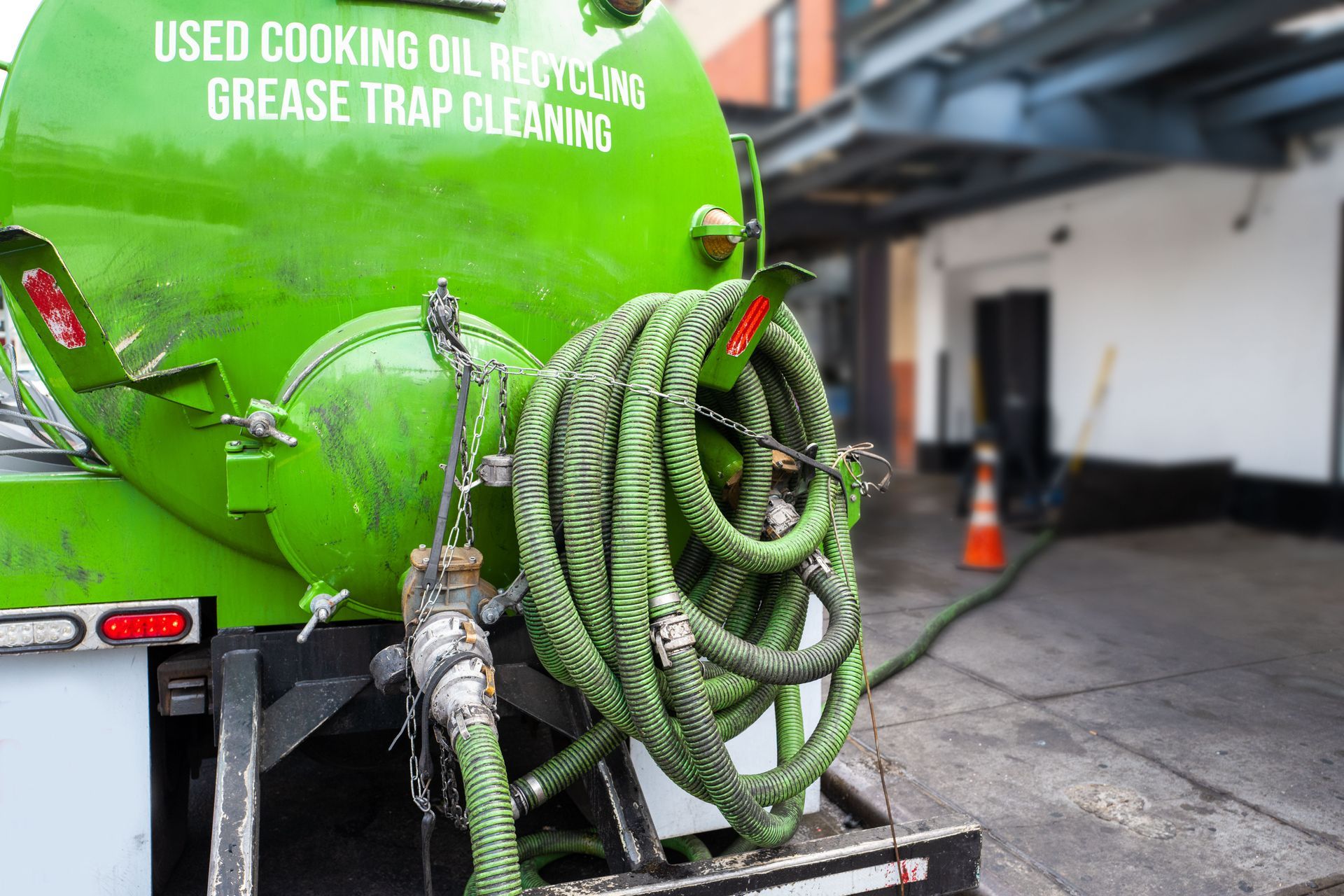
Typically, used cooking oil is collected by specialized recycling firms that process it into biofuel or animal feed, providing an additional revenue stream for restaurants. Small to large food businesses find value in turning waste management into profitable ventures, aligning with both environmental and economic goals. By selling their used oil, restaurants can offset costs associated with oil purchases, contributing to more sustainable operations. As such, oil recycling forms a critical part of the sustainable loop of modern restaurants. This process transforms what was once considered waste into a valuable resource.
Reduce Environmental Impact Through Proper Oil Recycling
The environmental impact of restaurant oil recycling is significant, providing a sustainable alternative to traditional waste disposal methods. Proper recycling prevents oil from contaminating water sources and reduces the emission of greenhouse gases. Instead of ending up in landfills, recycled oil is converted into biofuels, which are cleaner and less harmful to the environment. This practice thus supports broader environmental conservation efforts, aligning with global sustainability goals. It also encourages businesses to take a more active role in protecting natural ecosystems.
Recycling restaurant oil also reduces reliance on fossil fuels, as biofuel becomes a viable, sustainable alternative. By utilizing recycled oil, the carbon footprint associated with energy production is notably decreased. Moreover, the conversion of used oil into biofuel reduces reliance on non-renewable energy resources, making the endeavor doubly beneficial. With environmental conservation at its core, oil recycling represents a practical approach to enhancing sustainability in energy generation. Over time, these efforts contribute to cleaner air and a healthier planet.
Furthermore, recycled oil finds other applications, such as in lubricants and cleaning products, thereby reducing waste and promoting resource efficiency. Each application contributes to reducing environmental strain and actively promotes the principles of a circular economy. By choosing to recycle, restaurants play a crucial role in reducing waste and enhancing the reusability of resources. Consequently, oil recycling stands as a testament to a restaurant’s commitment to sustainable practices and environmental stewardship. These additional uses ensure that valuable materials remain in circulation rather than being discarded.
Increase Cost Savings and Revenue Opportunities
Restaurant oil recycling provides significant economic benefits that can lead to substantial cost savings and additional revenue streams. The sale of used cooking oil to recycling firms represents a viable income source for many restaurants. By converting waste into a resource, food establishments can offset the expenses involved in waste disposal. This can be particularly beneficial for small and medium-sized enterprises that operate on tight budgets, allowing them to reinvest in other areas of their business. Over time, these financial advantages can contribute to greater operational stability.
In addition to direct financial incentives, recycling oil can minimize plumbing issues and maintenance costs associated with improper oil disposal. When oils are washed down drains, they can solidify and cause blockages, leading to costly repair work. By recycling oil, restaurants significantly reduce the risk of sewer line blockages and associated maintenance expenses. This not only lowers operational costs but also demonstrates responsible waste management strategies that can enhance the operational efficiency of a restaurant. Preventative measures like this help businesses avoid unexpected disruptions.
Moreover, participating in oil recycling programs can improve a restaurant's reputation, attracting eco-conscious consumers who prefer sustainable dining options. Restaurants committed to environmental stewardship often attract positive attention, helping boost their brand image and customer loyalty. With increasing competition in the food service industry, ethical and sustainable practices can differentiate a restaurant, drawing in patrons who share similar values. Consequently, regular oil recycling can serve as a powerful marketing tool, promoting a restaurant's commitment to sustainability. This positive perception can lead to stronger community relationships and increased customer trust.
Improve Safety, Cleanliness, and Regulatory Compliance
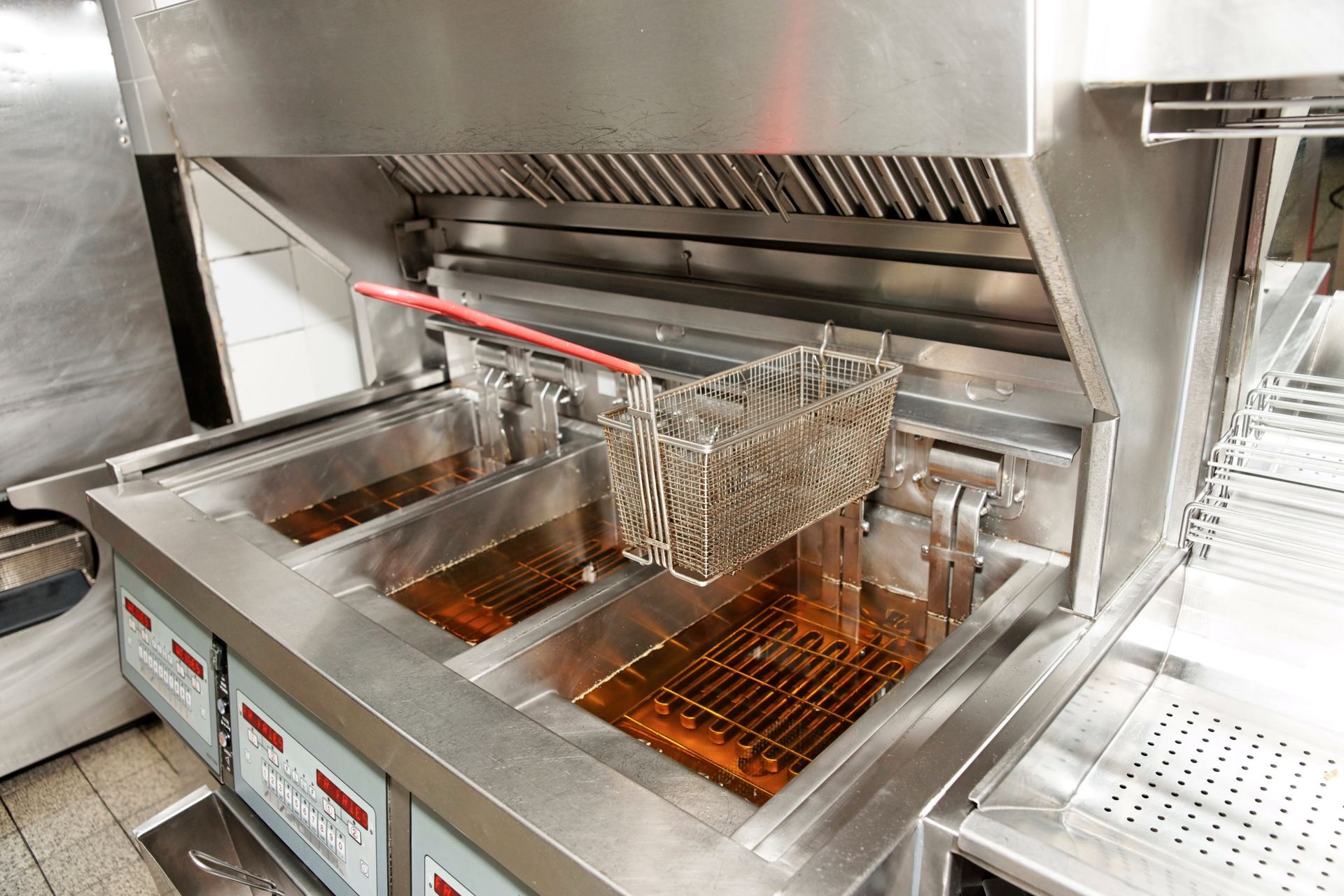
Regular oil recycling plays a pivotal role in maintaining health and safety standards within restaurant operations. The accumulation of used oil poses significant risks, including the potential for fire hazards in kitchens where high volumes of cooking oil are used regularly. Engaging in proper recycling practices reduces the amount of oil stored on-site, directly mitigating fire risks and enhancing workplace safety. This highlights the critical need for restaurants to manage used oil carefully, prioritizing safety alongside environmental stewardship. Consistent recycling routines also help maintain a more organized and efficient kitchen environment.
In addition to fire safety, restaurant oil recycling contributes to improved hygiene and cleanliness in restaurant facilities. Used oil can attract pests and create unsanitary conditions if stored improperly. Efficient recycling practices ensure used oils are promptly collected and removed from the premises, maintaining cleanliness and adhering to health regulations. Consequently, restaurants that prioritize oil recycling often experience fewer pest control issues and contribute to healthier dining environments. Maintaining these standards helps businesses meet inspection requirements more confidently.
Emphasizing safe disposal and recycling of cooking oil also aligns with regulatory compliance, easing the potential burden of fines or legal issues. Many municipalities have stringent regulations regarding the disposal of cooking oils, with strict penalties for non-compliance. By partnering with reputable recycling firms, restaurants ensure adherence to local waste disposal laws, avoiding potential legal and financial repercussions. This aligns operational practices with regulatory standards, reinforcing the restaurant’s commitment to lawful and safe practices. Staying compliant also protects the long-term reputation of the business.
Regular restaurant oil recycling delivers meaningful advantages for food service businesses while supporting broader environmental goals. By properly recycling used cooking oil, restaurants can minimize pollution, reduce energy dependence on fossil fuels, and lower the risk of plumbing or safety issues within their kitchens. The process also presents opportunities for cost savings and potential revenue through the sale of used oil to recycling companies. As sustainability continues to influence consumer expectations, restaurants that prioritize responsible waste management strengthen both their operations and their brand reputation. Incorporating consistent restaurant oil recycling practices is a practical step toward creating a cleaner environment, safer kitchens, and a more sustainable future for the food service industry. Reach out to A&P Grease Trappers, Inc to learn more about our services today.