January 19, 2026
Understanding the importance of selecting a quality cooking oil recycling company is crucial for both environmental sustainability and financial benefit. As the demand for effective waste management solutions grows, choosing the right recycling partner can significantly impact your business operations. With about 86 cooking oil recycling businesses in the United States, according to IBISWorld, navigating this landscape can be daunting. Therefore, being informed about what to look for in a service provider can ensure your business leverages effective, sustainable, and compliant recycling services. Let's explore key indicators that signify a reputable and efficient service provider in the industry.
1. Reliable Waste Oil Collection
A fundamental aspect of a quality cooking oil recycling company is its ability to offer reliable waste oil collection services. Consistent and scheduled pick-ups ensure that businesses don't face disruptions due to overflowing storage units. A company that can adapt to specific business needs, adjusting pick-up frequencies, demonstrates flexibility and understanding of client demands. This approach not only maintains operational efficiency but also upholds environmental responsibilities by preventing illegal dumping practices. Consequently, reliable waste oil collection is a key service that should not be overlooked.
An additional marker of dependable waste oil collection is the company's use of tracking systems and clear service documentation. Providers that offer pickup confirmations, service logs, or digital reporting make it easier for businesses to verify that collections occur as scheduled. This level of accountability helps prevent missed pickups, reduces the risk of compliance issues, and supports internal record-keeping. In addition, companies that can accommodate emergency or short-notice collections show a higher level of preparedness, which is especially valuable during peak business periods or unexpected volume increases.
2. On-Site Storage Solutions
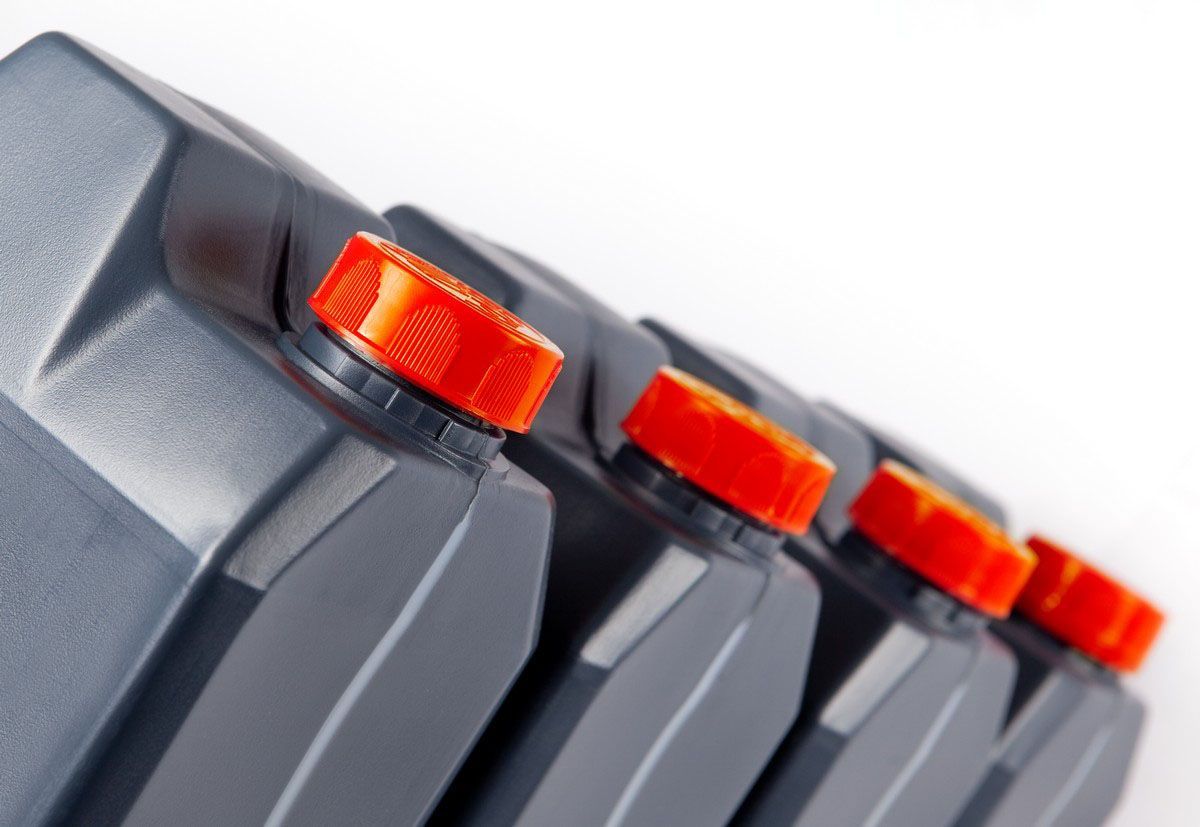
On-site storage solutions provided by the company help minimize space constraints and logistical issues. Quality service providers supply a range of adequately sized containers and equipment designed for easy maneuvering and storage. They also ensure the storage units meet regulatory standards, promoting safety and hygiene on business premises. These storage solutions must be durable and leak-proof to handle varying volumes of waste oil effectively. An efficient storage solution can streamline the recycling process, reducing time and effort for your business.
3. Filtration and Processing
Filtration and processing are critical steps in the recycling of cooking oil that quality companies handle with precision. Advanced filtration methods remove impurities and contaminants, enhancing the purity of the recycled product. This refined oil can potentially be reused in other industrial applications, thus contributing to a circular economy. Reputable companies invest in cutting-edge technology to ensure their processing methods are both efficient and environmentally friendly. Such innovation is essential for maintaining high standards in the recycling process.
An additional factor that reflects quality in filtration and processing is how the company manages residual byproducts and waste generated during refinement. A reputable cooking oil recycling company has systems in place to responsibly handle sludge, food solids, and other separated materials rather than disposing of them improperly. This attention to secondary waste streams improves overall efficiency and reduces environmental impact. Companies that continuously refine their processing methods also tend to deliver more consistent output quality, which benefits downstream users of recycled oil and reinforces the value of a well-managed recycling partnership.
4. Adherence to Local Regulations
Compliance with local regulations is crucial in the cooking oil recycling industry. Companies well-versed in the legal aspects of waste management practice due diligence in adhering to regional and national laws. This compliance helps avoid potential legal repercussions and fines that could affect business operations. Clients can rest assured, knowing their recycling processes meet legal standards when engaging with compliant partners. Therefore, adherence to local regulations is non-negotiable for quality in this domain.
5. Safety and Health Standards
Reputable companies maintain high standards of health and safety in their operations. They implement safety protocols to protect staff and clients from potential hazards associated with handling waste oil. Proper training is provided to workers to ensure they operate equipment safely and efficiently. Safety standards not only protect individuals but also ensure the integrity of the recycling process. Demonstrating this level of care indicates a company's dedication to maintaining a safe work environment.
Another important element of strong safety and health standards is the company's commitment to preventative measures and ongoing oversight. Regular safety training sessions, equipment maintenance checks, and updated handling procedures help reduce the likelihood of accidents or spills. Companies that document incidents and actively review near-misses demonstrate a proactive approach rather than a reactive one. This level of vigilance not only protects workers and clients but also reinforces operational reliability and accountability throughout the recycling process.
6. Transparent Record-Keeping
Transparent record-keeping is a crucial practice that distinguishes a reputable recycling company. Detailed records provide clarity and accountability on the volume and type of waste oil collected and recycled. Open access to these records for clients fosters trust and encourages long-term partnerships. Furthermore, comprehensive documentation aids in tracking the efficiency and impact of recycling efforts. Hence, maintaining transparency in record-keeping is a sign of professional integrity.
7. Regular Inspections and Audits
Regular inspections and audits are instrumental in ensuring ongoing compliance and service performance. Industry-leading companies conduct routine checks to evaluate their operations continuously. These evaluations can uncover areas for improvement, ensuring the company remains updated with best practices. Audits offer clients peace of mind, knowing their service provider maintains high recycling standards. Ultimately, commitment to regular inspections underscores quality and reliability in service delivery.
8. Positive Customer Reviews and Testimonials
Customer reviews and testimonials provide valuable insight into the quality of services offered. Positive feedback highlights customer satisfaction and reinforces a company's credibility within the industry. Such reviews often emphasize a company's reliability, professionalism, and quality of services provided. Prospective clients are encouraged to research and evaluate these reviews when considering a recycling partner. As indicators of past performance, customer reviews carry significant weight in decision-making.
Beyond overall ratings, the consistency and detail within customer reviews can be especially telling. Testimonials that mention long-term partnerships, dependable scheduling, and responsive service point to a company that delivers steady performance over time. Reviews that reference how issues were resolved are also valuable, as they reveal how the company handles challenges when they arise. Taken together, these insights help prospective clients gauge reliability and professionalism more accurately than surface-level praise alone.
9. Availability of Customer Support
A quality cooking oil recycling company prioritizes accessible and responsive customer support. Having a knowledgeable support team available can address client concerns promptly and efficiently. This accessibility reassures clients that the company values their business and is committed to enhancing their service experience. Clients should expect easy communication channels that facilitate direct interaction with support personnel. Effective customer support is, therefore, a critical component of service excellence.
10. Speed of Response to Inquiries
Prompt communication in response to inquiries showcases a company's dedication to client satisfaction. Effective response systems help swiftly address issues, preventing potential disruptions in service. Responsive companies commit to resolving queries and problems as quickly as possible, reflecting their reliability and professionalism. Delays or a lack of communication can deter client confidence and hinder service reputation. Thus, an efficient inquiry response mechanism is essential for client reassurance.
A thorough understanding of these common signs of a quality cooking oil recycling company will aid you in making informed decisions for sustainable and effective waste management. By considering comprehensive service offerings, industry reputation, and customer support, you can ensure they partner with a reputable and efficient service provider. You'll find all these qualities, and more, when you partner with A&P Grease Trappers, Inc. Reach out today to get started with a free estimate!