February 18, 2026
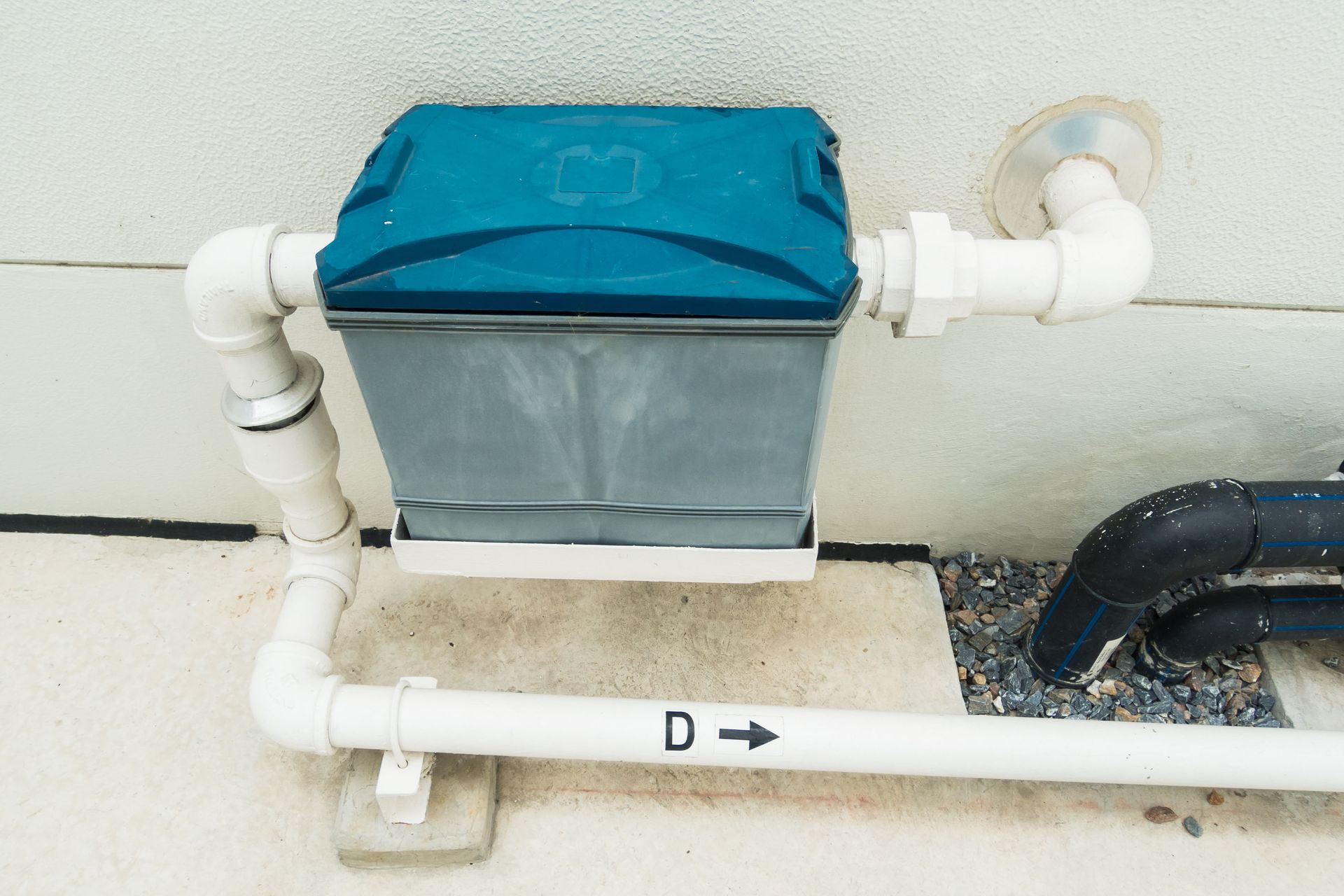
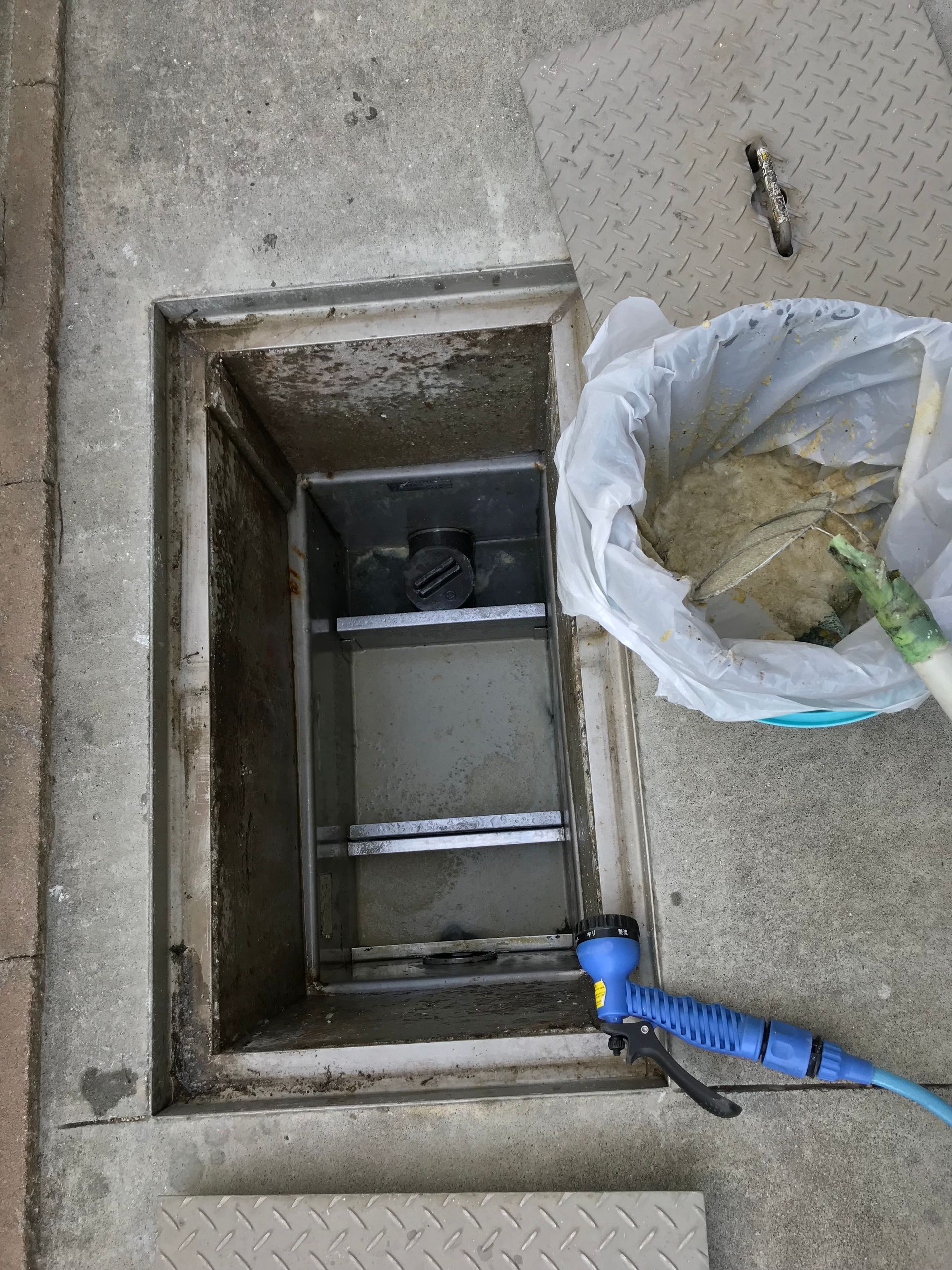
Proper maintenance of commercial plumbing and septic systems is essential for businesses that rely on grease traps and wastewater infrastructure. A system that is functioning correctly prevents operational disruptions, unpleasant odors, and costly backups. Neglecting regular maintenance can lead to blockages, backups, and inefficient wastewater management. Understanding the signs that indicate professional attention is needed helps protect your business operations and ensures long-term system efficiency. Regular checks and careful observation of system performance can help facility managers plan for maintenance without unexpected interruptions, keeping day-to-day operations running smoothly. Taking the time to review system performance and note any minor changes can also help identify potential issues before they grow into larger problems, making maintenance scheduling more efficient and effective. According to This Old House, septic tanks can typically hold more than 1,000 gallons of waste.
1. Troubling Slow Drains
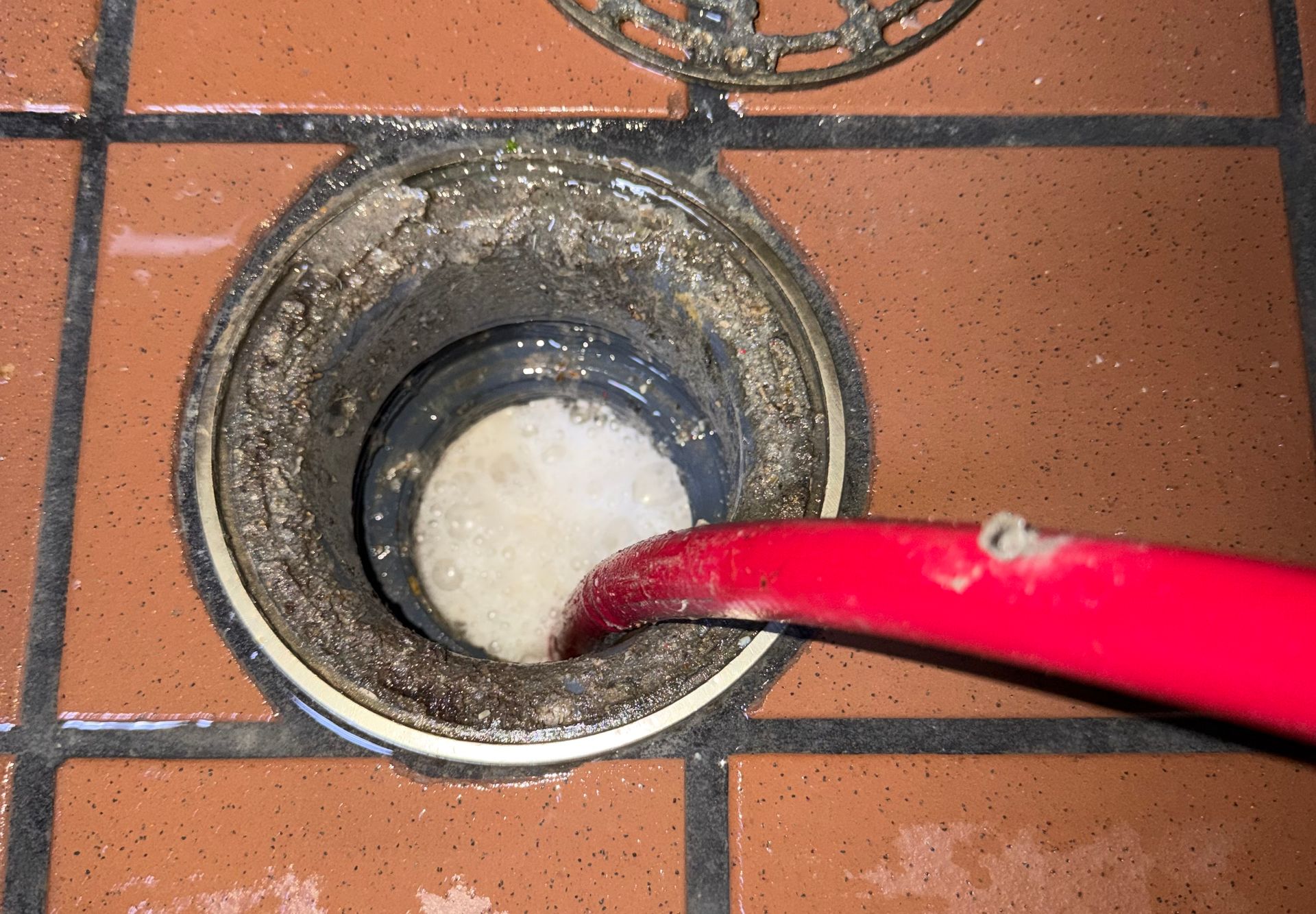
Persistent slow drains are often an early indicator that the plumbing or septic system requires professional attention. In commercial kitchens or facilities with heavy water usage, slow drains can signify grease buildup, blockages, or a full septic tank affecting normal flow. Even minor slowdowns in water flow can disrupt normal workflow in busy facilities, making it essential to monitor drain performance and note any gradual changes over time. Observing these small changes can provide insight into the overall health of the plumbing system and help prioritize maintenance tasks. Taking the time to watch and record subtle changes allows managers to feel more confident in planning routine inspections, and it provides a sense of reassurance that small issues can be addressed before they become disruptive. Consistent attention to system behavior encourages a proactive approach and reduces the chance of last-minute surprises that could affect daily operations.
Hydro jetting specialists can efficiently remove blockages in pipes, ensuring water flows freely and reducing the risk of more serious backups. Addressing slow drains promptly helps maintain smooth operations and minimizes the potential for costly downtime. Scheduling maintenance before slow drains escalate can prevent interruptions and allows managers to coordinate service around operational needs, keeping kitchens and facilities functioning without surprise delays. Routine inspections and timely cleaning by hydro jetting specialists can also help extend the life of the plumbing infrastructure and reduce wear from persistent slow drainage.
2. Offensive Unpleasant Odors
Strong or persistent odors from drains, sinks, or near grease traps are a clear sign that waste is not being properly managed. In commercial environments, this can affect staff, customers, and overall sanitation. Noticing even faint odors early allows managers to plan inspections and address issues before they interfere with day-to-day activity, contributing to a cleaner and more comfortable environment. Consistent monitoring of these odors can help prevent them from spreading and causing discomfort in high-traffic areas. Paying attention to subtle changes in air quality helps create a more pleasant and welcoming workplace for employees and visitors alike. It also allows maintenance teams to schedule interventions when it is convenient, avoiding the stress of reacting to sudden or overwhelming odors.
Professional maintenance, including grease trap cleaning and hydro jetting specialists, ensures that waste and residues are properly removed, eliminating odors and maintaining a hygienic environment. Regular attention to odor control also helps maintain general cleanliness and operational efficiency, preventing minor annoyances from becoming disruptive problems. Following up on odor issues with routine cleaning by hydro jetting specialists can also improve the overall atmosphere of the facility, making it more pleasant for staff and visitors alike.
3. Alarming Sewage or Wastewater Backup
Backups in drains or plumbing fixtures are a serious concern in commercial settings. They can disrupt operations, create sanitation hazards, and damage equipment or flooring. Even small backups can affect workflow and safety, making it important to monitor for signs of recurring clogs or slowed drainage. Keeping detailed records of any incidents can help identify patterns and inform preventive maintenance strategies. Careful tracking and logging of incidents also allows staff to anticipate trends and plan interventions in a structured way. This proactive approach can reduce stress and maintain a more predictable daily workflow across the facility.
A hydro jetting specialist can inspect and clear pipes, removing grease, debris, and sludge that contribute to backups. Regular pumping of septic tanks and grease traps prevents these issues from escalating and keeps systems operating efficiently. Maintaining a consistent schedule for inspection and cleaning reduces the likelihood of interruptions, supporting smooth and uninterrupted business operations over time. In addition, service from hydro jetting specialists provides opportunities to address minor issues before they grow, helping to maintain a steady workflow and protect valuable equipment. Addressing these problems systematically reinforces operational consistency, which benefits everyone involved in facility management. Planning ahead for potential blockages ensures that minor concerns do not become disruptive obstacles.
4. Concerning Visible Issues Around Infrastructure
Pooling water, slow drainage, or unusually wet areas near septic tanks or grease traps often indicate that the system is nearing capacity or experiencing blockages. Routine observation of the system's physical areas can provide early warnings, allowing maintenance to be planned before larger problems develop. Monitoring changes over time, including any increase in dampness or pooling, can provide helpful insights into system performance and necessary service intervals.
These visible signs require professional intervention. Hydro jetting specialists and routine maintenance ensure proper wastewater flow, reduce the risk of operational interruptions, and maintain overall system functionality. Keeping an eye on these areas and scheduling service as needed supports consistent operations and prevents minor issues from becoming larger complications. Being proactive about visible changes also allows facility managers to make informed decisions about service timing, reducing the chance of emergency disruptions. Even simple observation routines can build confidence in the facility's overall performance, allowing staff and managers to maintain a sense of order and predictability in daily operations.
5. Disturbing Gurgling or Unusual Sounds in Pipes
Unusual gurgling or bubbling noises in drains can indicate air escaping through pipes due to restricted flow or partial blockages. In commercial facilities, these sounds often signal the need for inspection and cleaning. Even brief or occasional noises can be early signs that professional assessment is needed, and monitoring these sounds over time can help identify patterns or locations of concern. Paying attention to when and where noises occur can provide valuable information for planning maintenance and scheduling necessary interventions.
Professional hydro jetting specialists can identify the source of the problem and remove buildup, restoring proper flow and preventing more serious complications. Addressing gurgling sounds early ensures that operations continue without interruption and provides peace of mind that plumbing systems are functioning efficiently. Routine assessment of pipe conditions and early intervention by hydro jetting specialists can also help maintain overall system health and reduce unexpected disruptions.
Recognizing the warning signs of plumbing and septic system issues is essential for businesses to prevent disruptions, maintain sanitation, and protect infrastructure. Signs like slow drains, unpleasant odors, backups, visible pooling, and gurgling pipes indicate it may be time for professional attention. Staying on top of regular maintenance and monitoring system performance helps managers address potential concerns before they develop into larger problems, supporting smooth daily operations. Learning more about proactive care ensures facilities operate efficiently and with minimal disruption.
Routine services such as grease trap cleaning, septic tank pumping, and hydro jetting specialists help maintain efficient system performance and prolong equipment life. To keep our facilities running smoothly and ensure wastewater systems operate effectively, learn more about scheduling professional service with A&P Grease Trappers, Inc.