December 19, 2025
The push for a greener world continues to grow as communities, businesses, and governments look for realistic ways to reduce waste and protect natural resources. One area gaining attention is the management of waste cooking oils, which can cause major environmental issues when disposed of improperly. These oils have a significant impact once they enter waterways or landfills, and the long-term consequences can be significant. Used cooking oil recycling offers a simple yet powerful solution. Instead of letting these materials create pollution, cooking oil can be collected and turned into new products that support renewable energy, cleaner communities, and a more sustainable future.
1. Minimizing Waterway Pollution
Improper disposal of cooking oil is one of the most common sources of pollution in urban and suburban areas. When oil is poured down household or commercial drains, it cools and solidifies inside pipes. Over time, this buildup contributes to blockages that can lead to sewage backups, costly repairs, and large-scale environmental damage. When these blockages occur in municipal systems, wastewater can overflow into local rivers, lakes, or coastal areas, which threatens aquatic ecosystems.
Water pollution becomes even more severe when oil enters the environment directly. Just a small amount of cooking oil can create a film on the surface of water that limits oxygen exchange, and this can harm fish, plants, and other wildlife. Many cities spend significant resources cleaning up these contaminants, which could be prevented through responsible oil collection practices. Recycling empowers individuals and businesses to help reduce the strain placed on municipal infrastructure while keeping waterways cleaner and healthier.
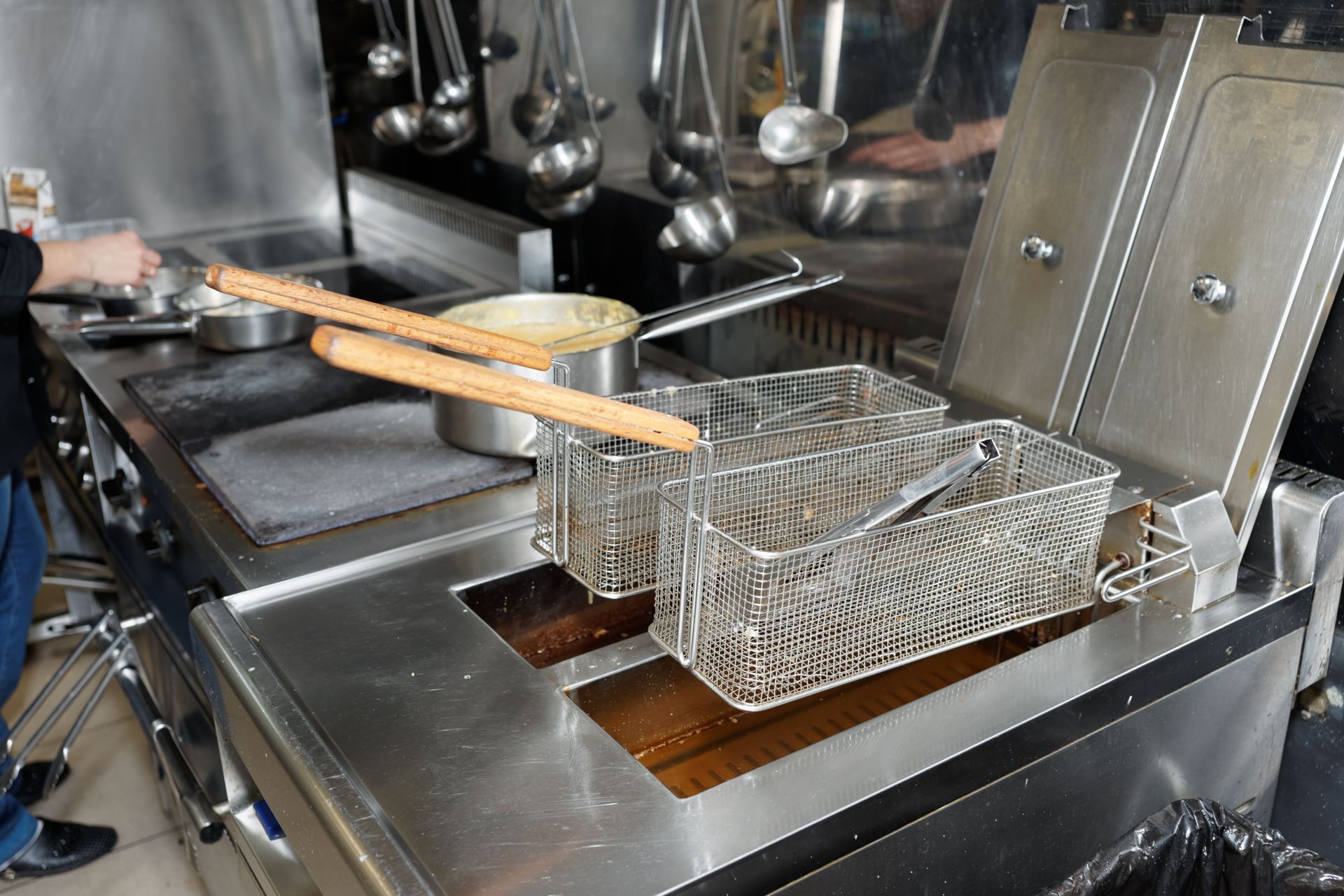
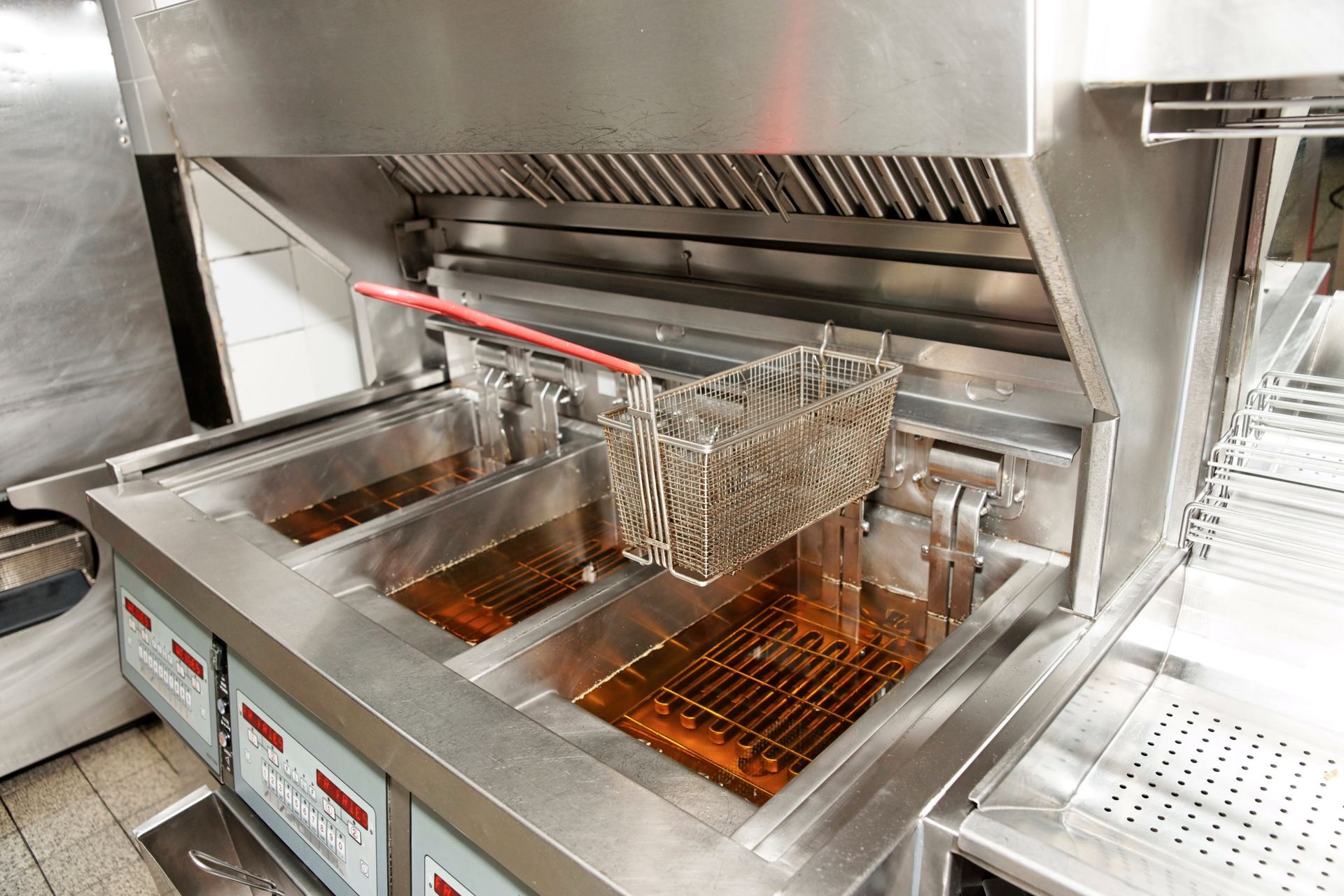
Restaurants and commercial kitchens are especially important in the used cooking oil recycling process because of the large volumes of oil they use daily. When these businesses adopt structured recycling programs, they drastically reduce the chance of accidental spills or improper disposal. The cumulative impact of these efforts can be substantial, especially in regions where food services make up a large portion of the local industry.
Recycling oil promotes a culture of responsibility within the food and hospitality sectors. When staff members are trained on proper disposal methods, it encourages ongoing awareness about how everyday actions affect the broader environment.
2. Reducing Landfill Waste
Landfills are burdened by large amounts of waste, and adding liquid oils only intensifies the problem. Cooking oil does not break down easily, and when mixed with other materials, it can create odors, attract pests, and increase the risk of fires. These hazards make landfills an unsuitable destination for used oil, yet many gallons end up there each year. Cooking oil recycling helps ease this strain by diverting a valuable resource away from landfill sites and into new uses that benefit the environment.
One of the biggest challenges with landfill waste is the slow decomposition of many materials. Oils in particular can take years to break down; during that time, they may seep into the surrounding soil. This can compromise soil health and sometimes allow contaminants to move into groundwater supplies. Used cooking oil recycling is a straightforward way to prevent these outcomes.
The demand for sustainable products continues to grow, and recycled cooking oil plays a major role in meeting that demand. Recycled oil can be transformed into biofuels, animal feed additives, industrial lubricants, and even certain household products. This conversion gives new purpose to a waste material that would otherwise take up space in a landfill. It also encourages the development of industries focused on renewable resources, which strengthens local economies while supporting environmental goals.
An important highlight in this sector is the rapid expansion of the recycling market. According to Fortune Business Insights, North America holds a 43.62% market share in the used cooking oil market. This trend demonstrates how recycling helps reduce landfill waste while fueling economic growth in the U.S. Stronger recycling networks create more opportunities for communities to participate, which leads to cleaner cities and longer-lasting landfill capacity.
3. Supporting Renewable Energy Production
One of the most well-known benefits of recycling cooking oil is its ability to support renewable energy. When oil is collected and processed, it can be converted into biodiesel, a fuel that burns cleaner than traditional petroleum-based alternatives. This conversion reduces emissions and supports energy independence by using materials that already exist in the waste stream. The more communities embrace used cooking oil recycling, the more potential there is for expanding renewable energy production in a sustainable way.
Biodiesel made from recycled oil has several environmental advantages. It produces fewer harmful emissions, which helps reduce air pollution in urban areas. Cleaner air leads to healthier communities and supports long-term environmental planning. Using recycled oil also reduces reliance on natural resources that require intensive extraction processes, which further minimizes environmental disturbance.
Transportation and industrial sectors are increasingly adopting cleaner fuel options because they recognize the advantages of reducing carbon output. Many fleets, including city buses and delivery trucks, already operate on biodiesel blends. As recycling programs grow, more fuel can be produced at a lower cost. This creates a positive cycle where increased availability encourages adoption.
Renewable energy production also boosts local economies by creating new opportunities for jobs and innovation. Facilities that convert cooking oil into fuel help build economic resilience and reduce dependence on imported energy sources. These industries benefit both urban and rural communities, which means the environmental impact extends well beyond individual businesses.
4. Encouraging Sustainable Business Practices
Sustainability is becoming a top priority for businesses of all sizes. Companies recognize that environmentally responsible operations appeal to customers, reduce long-term costs, and improve community relationships. Implementing used cooking oil recycling is one of the simplest ways to begin building greener practices because it requires minimal investment and offers clear, measurable benefits.
Many food-related businesses rely on large volumes of cooking oil and need effective ways to manage it. Recycling programs often include scheduled collections, secure storage containers, and clear documentation that helps businesses track their waste reduction efforts. These tools make it easy for companies to measure progress and demonstrate their commitment to environmental stewardship. When customers see this commitment, it often strengthens confidence and loyalty.
Sustainable practices also help companies operate more efficiently. When businesses participate in used cooking oil recycling programs, they reduce the risk of plumbing problems, spills, and regulatory violations. These improvements lower maintenance costs and allow employees to focus on core tasks rather than waste management concerns.
Community engagement is another important aspect of sustainable business operations. When companies participate in recycling programs, they model responsible behavior that encourages others to follow. This influence extends to customers, employees, and partner organizations. As more participants join in, communities become cleaner and more environmentally conscious.
Recycling cooking oil may seem like a small step, but it creates significant environmental benefits when widely adopted. From protecting waterways to reducing landfill strain, each action contributes to healthier communities and more sustainable systems. The transformation of waste oil into new products and renewable energy further illustrates how practical and impactful this effort can be. The ripple effect of a single environmentally conscious choice can extend far beyond local communities and help support broader global efforts.
Take the first step toward a cleaner, greener environment with A&P Grease Trappers, Inc. Contact us today to make used cooking oil recycling easy, efficient, and environmentally responsible for your business.