August 18, 2026
Running a busy commercial food service establishment requires balancing countless moving parts, from meal preparation and customer service to sanitation and inventory management. Among the daily responsibilities that keep a kitchen functional, managing used cooking grease often presents unique operational hurdles. Used cooking oil accumulates rapidly during meal rushes, demanding an organized strategy for collection and removal. When commercial kitchens neglect to establish a structured approach for their grease waste, they face messy workspace clutter, clogged plumbing networks, and environmental hazards. Implementing a dependable schedule for restaurant oil recycling transforms these potential operational liabilities into seamless daily routines, allowing culinary teams to focus entirely on crafting exceptional dishes.
Every commercial kitchen benefits when back-of-house procedures operate smoothly and without unnecessary friction. Without a streamlined waste handling routine, employees must juggle awkward, grease-laden containers during peak service hours, which invites hazardous spills, severe slip risks, and burn injuries. Incorporating a dedicated collection service into your facility's ongoing management strategy eliminates the guesswork associated with used grease handling. Dedicated collection protocols ensure that kitchen grease is securely captured, stored properly, and promptly removed before it interferes with cooking lines or daily prep activities. By elevating grease handling from an afterthought to a core procedure, food service managers can preserve kitchen hygiene, protect their staff, and uphold higher standards of operational excellence.
Improving Kitchen Safety and Operational Workflow
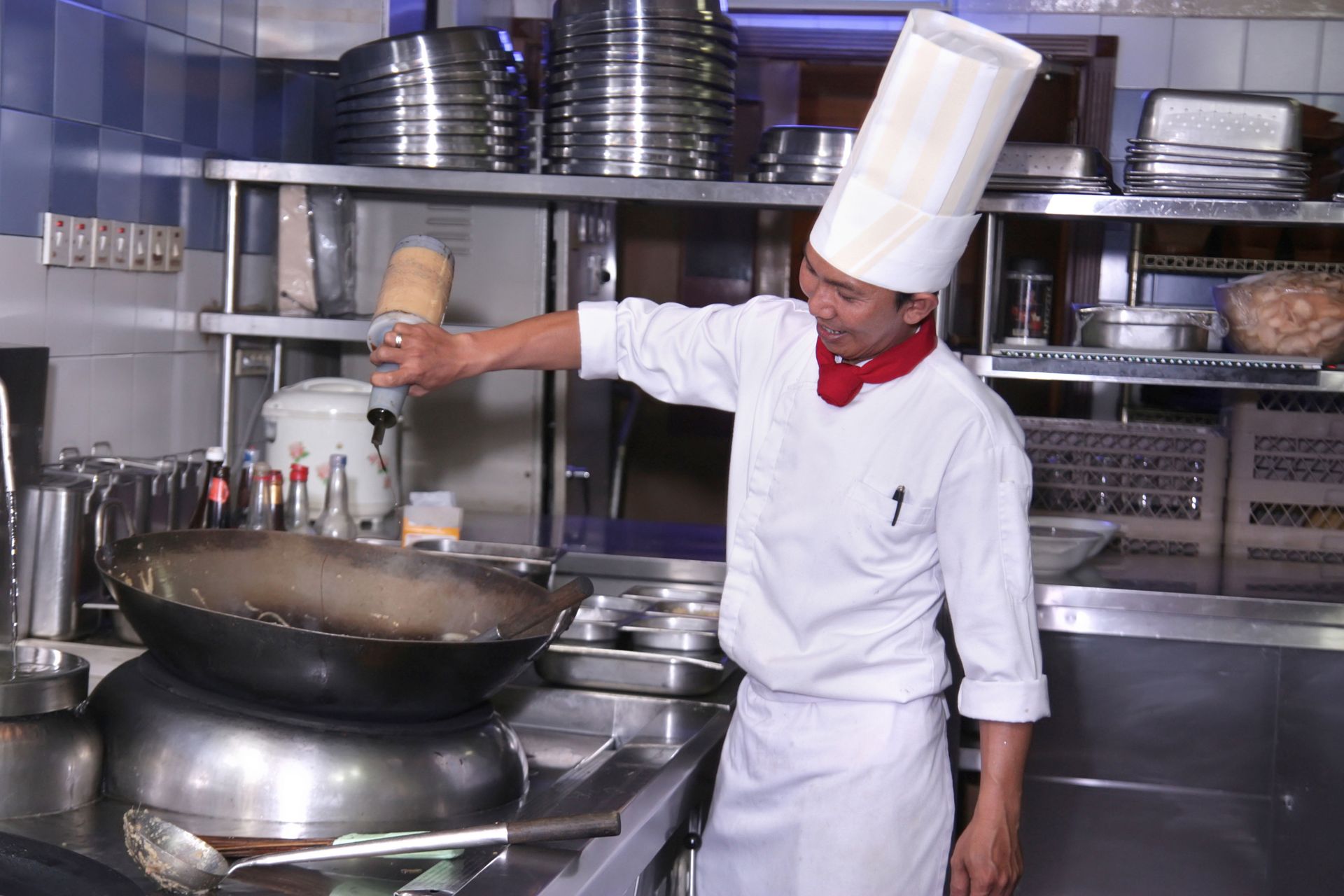
The pace of a commercial kitchen is fast, demanding, and full of potential workplace hazards. Cooking grease presents a persistent threat to staff safety when not managed with extreme care. When hot oil is manually hauled across slippery floors or poured into temporary containers, the likelihood of painful burns and devastating slips increases significantly. Establishing a routine program for restaurant oil recycling provides your culinary staff with designated, secure containers designed specifically for safe waste transfer. This structured collection eliminates the temptation for employees to improvise dangerous storage methods or carry heavy, open pots of hot liquid across crowded prep lines.
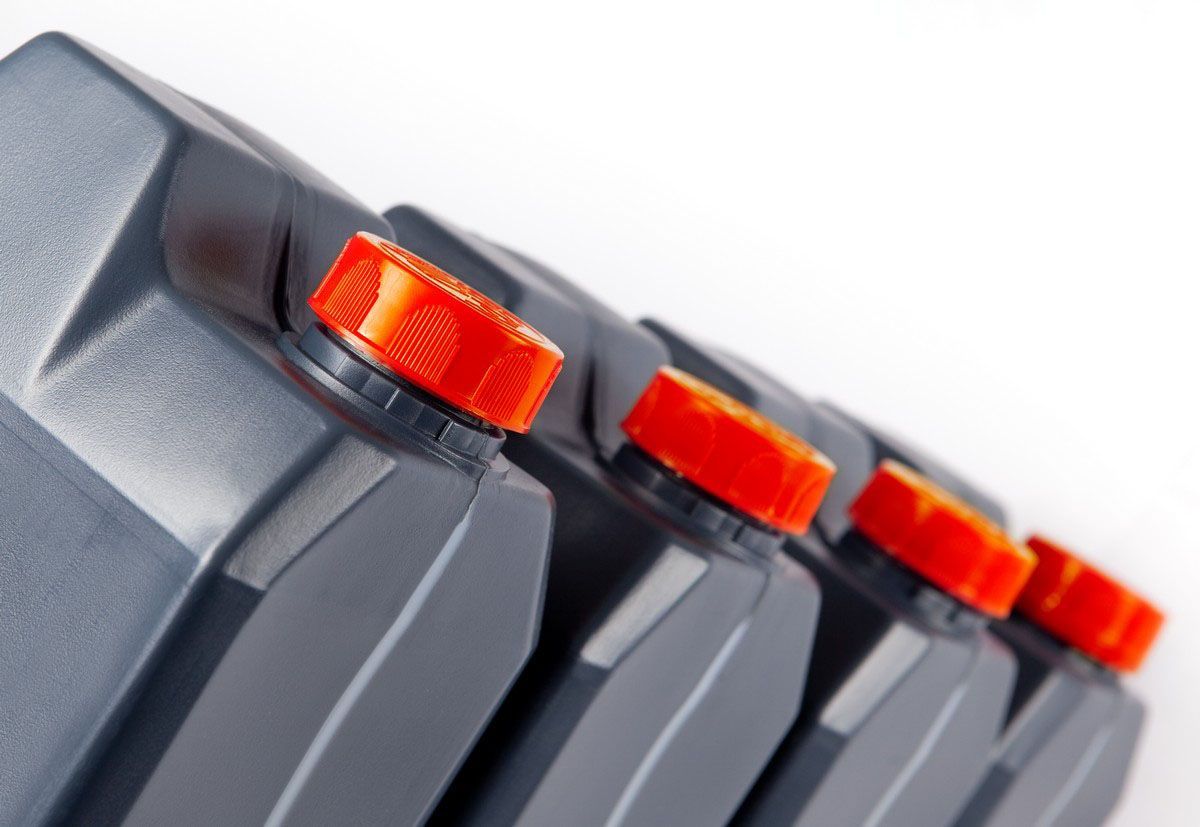
Beyond reducing slip and burn hazards, a streamlined grease management routine optimizes physical space within your prep and dishwashing zones. Crowded kitchens quickly become chaotic when empty jugs, buckets of old grease, and temporary storage drums clutter aisles and emergency exits. Professional collection services provide dedicated containment solutions that fit neatly into your existing footprint, preserving valuable square footage for food prep and inventory storage. When back-of-house staff know exactly where used oil goes after every shift, overall workflow speeds up, morale improves, and kitchen stations remain organized even through the busiest dinner rushes.
Supporting Sustainable Waste Management
Modern dining patrons increasingly appreciate food establishments that show environmental stewardship and thoughtful resource management. Commercial kitchens generate substantial volumes of used cooking grease, and disposing of this byproduct improperly carries severe ecological consequences. According to Beyond Oil, discarding used fryer oil into municipal landfills can generate methane emissions, a greenhouse gas that is 28 times more potent at trapping atmospheric heat than standard carbon dioxide. Diverting used fryer oil away from solid waste landfills and public drainage networks prevents widespread soil pollution and guards delicate water ecosystems against dangerous contamination.
Participating in specialized restaurant oil recycling gives used culinary fats a valuable secondary purpose rather than letting them spoil natural resources. Collected grease is filtered, processed, and converted into renewable energy sources such as clean-burning biofuels and eco-friendly industrial products. This circular approach minimizes dependence on fossil fuels while shrinking the overall carbon footprint of your dining business. Demonstrating this commitment to eco-conscious practices showcases genuine community leadership, proving to your patrons that your kitchen prioritizes sustainability at every level of its operation.
Protecting Commercial Plumbing Systems
A critical mistake a commercial kitchen can make is allowing used grease to enter the municipal plumbing system. While hot grease might pour easily down a sink during routine cleanup, it quickly cools and solidifies inside drain pipes, catching loose food scraps and forming impenetrable blockages. These stubborn obstructions create severe backups that can flood prep areas, force unexpected operational closures, and disrupt normal service. Relying on scheduled restaurant oil recycling prevents grease from ever approaching your sinks, keeping drainage pipes clear and functioning smoothly day after day.
Grease interceptors and traps play a vital role in capturing residual oils, but they can easily become overwhelmed if bulk fryer oil is poured down the drain. When an interceptor fails or reaches maximum capacity, pungent odors fill dining spaces and dirty backflow can ruin kitchen prep areas. Consistently separating used oil from your dishwashing streams preserves the integrity of your internal plumbing lines and reduces the strain placed on internal grease interceptors. Keeping grease completely out of the drainage system avoids catastrophic pipe failures, ensuring your kitchen stays productive and compliant without unplanned downtime.
Maintaining Clean and Compliant Facilities
Commercial kitchens operate under strict health, environmental, and municipal guidelines regarding sanitation and waste disposal. Municipal authorities and health inspectors regularly check food facilities to confirm that used cooking fats are stored safely and removed according to municipal standards. Failure to maintain meticulous records or allowing grease to spill onto back alleys can result in severe municipal penalties, failed health inspections, and forced temporary closures. Partnering with a professional team for restaurant oil recycling gives your facility the documentation and regular collection needed to remain in full alignment with local sanitation codes.
Proper grease containment also serves as a crucial defense against persistent outdoor pests and unpleasant kitchen odors. When used oil sits uncovered in deteriorated drums behind a restaurant, it attracts rodents, flies, and other wildlife that threaten the sanitary perimeter of your building. Sealed collection containers prevent foul odors from escaping into surrounding neighborhoods or outdoor dining patios, keeping your exterior grounds pristine. Maintaining a clean and compliant disposal area upholds your reputation among health officials, neighbors, and the dining public alike.
Enhancing Long-Term Equipment Performance
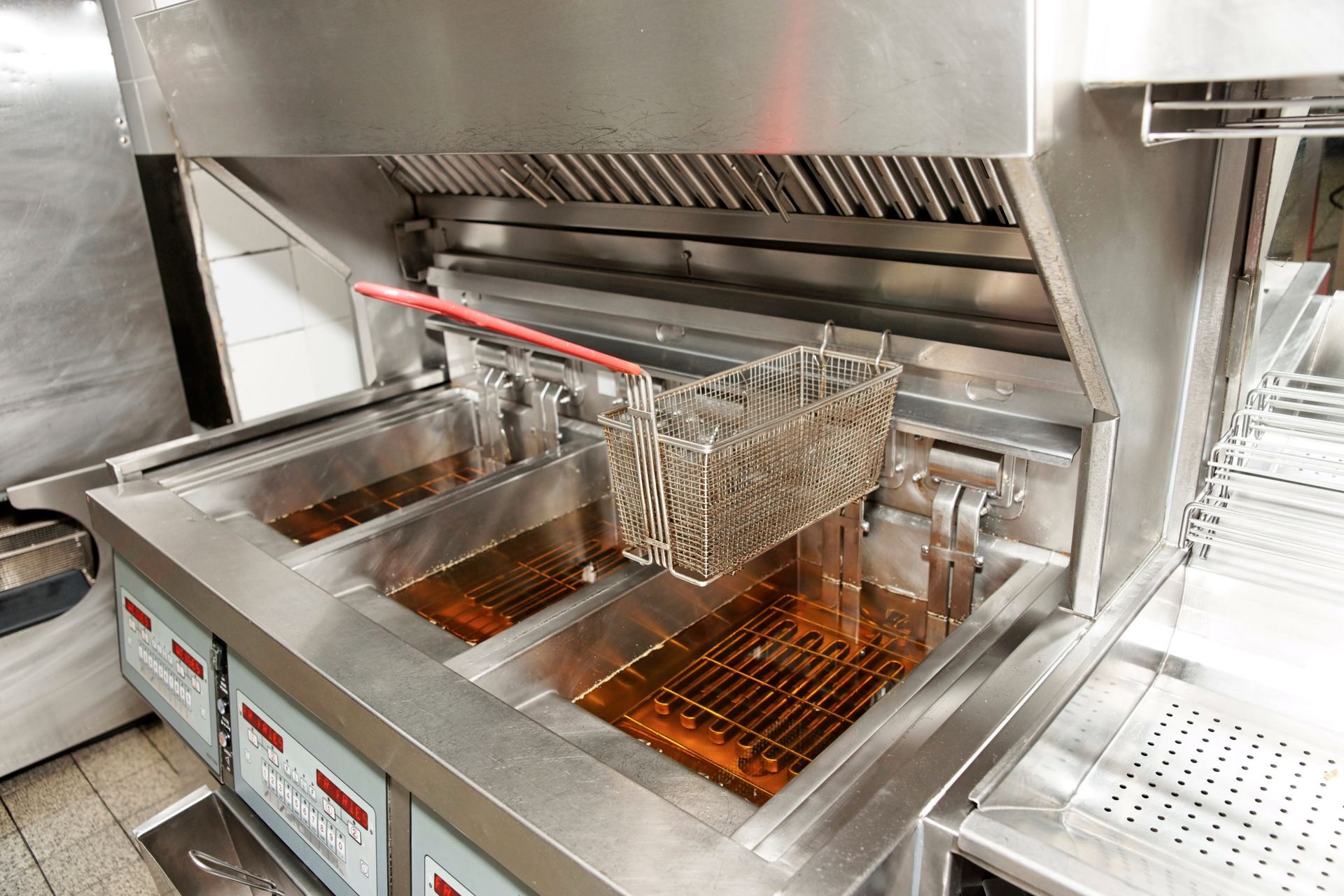
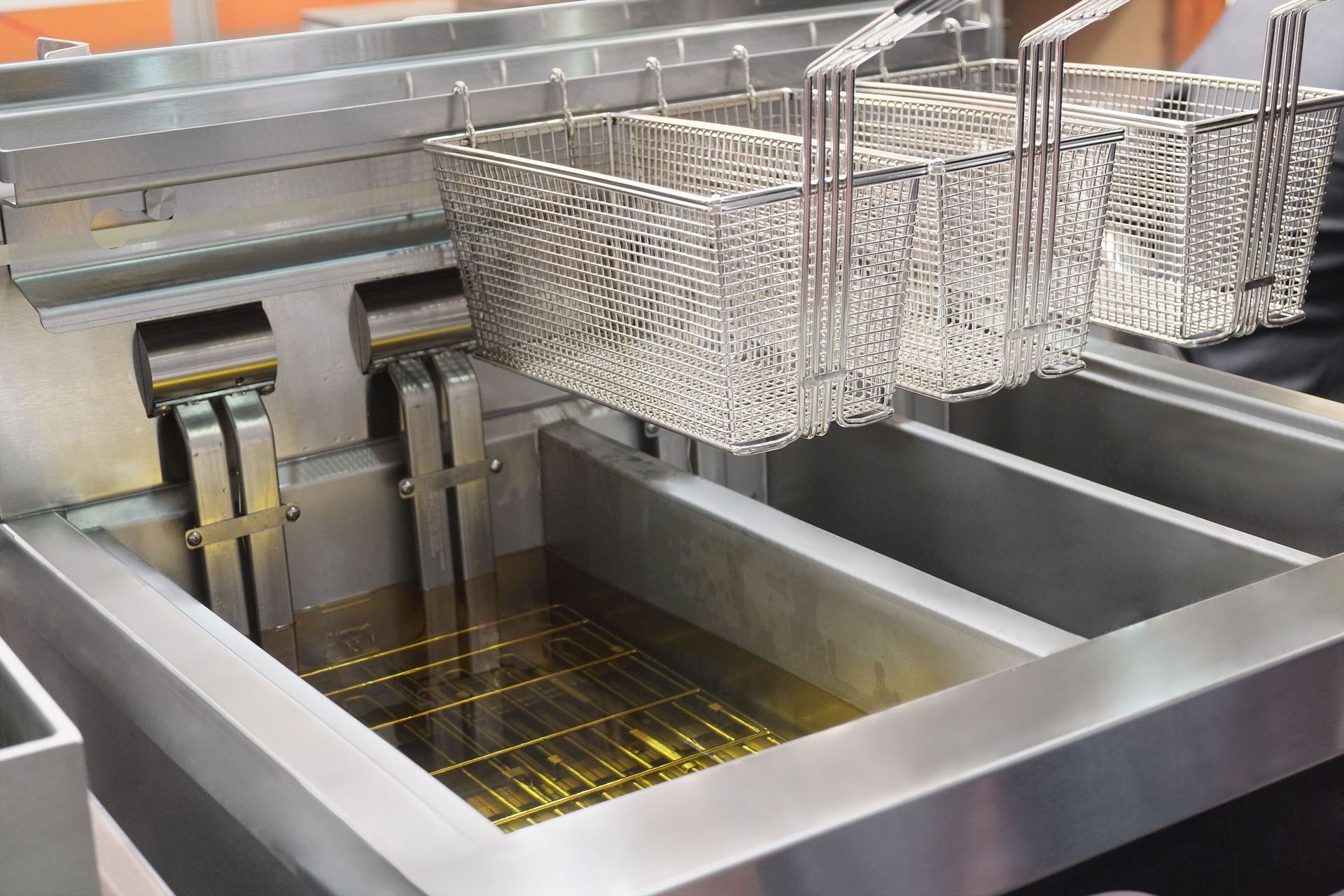
Commercial cooking equipment represents a substantial operational asset that requires diligent upkeep to perform reliably. Deep fryers, flat-top grills, and ventilation hoods suffer premature wear when old, degraded oil is left in use for too long or discarded haphazardly around kitchen machinery. Regular restaurant oil recycling encourages kitchen staff to adhere to disciplined oil-rotation schedules, ensuring fryers are drained, cleaned, and refilled with fresh oil at appropriate intervals. This disciplined upkeep improves food quality, maintains consistent frying temperatures, and prevents carbon buildup from damaging delicate heating elements.
Clean fryers operate far more efficiently than neglected units burdened by heavy sediment and scorched grease. When commercial fryers are emptied regularly into dedicated recycling tanks, heating elements do not have to work as hard to maintain target cooking temperatures. This operational efficiency extends the functional lifespan of your cooking units and reduces wear and tear on electrical and gas components. By integrating proper grease removal into routine maintenance schedules, commercial kitchens keep their essential cooking appliances operating at peak performance for years to come.
Maintaining a clean, efficient, and environmentally responsible commercial kitchen is an ongoing objective for every food service operator. Establishing dependable procedures for used cooking grease removal eliminates workplace clutter, mitigates safety hazards, protects delicate plumbing lines, and supports vital renewable energy initiatives. When your culinary staff no longer struggles with cumbersome waste disposal, your entire establishment functions with greater ease, speed, and confidence. Implementing a comprehensive strategy for restaurant oil recycling ensures that your business operates at maximum efficiency while upholding the highest environmental standards.
If you are ready to streamline your commercial kitchen operations and implement sustainable waste solutions, contact us at A&P Grease Trappers, Inc today. We will help you establish a seamless grease collection routine that keeps your kitchen clean, safe, and fully compliant.