November 16, 2026
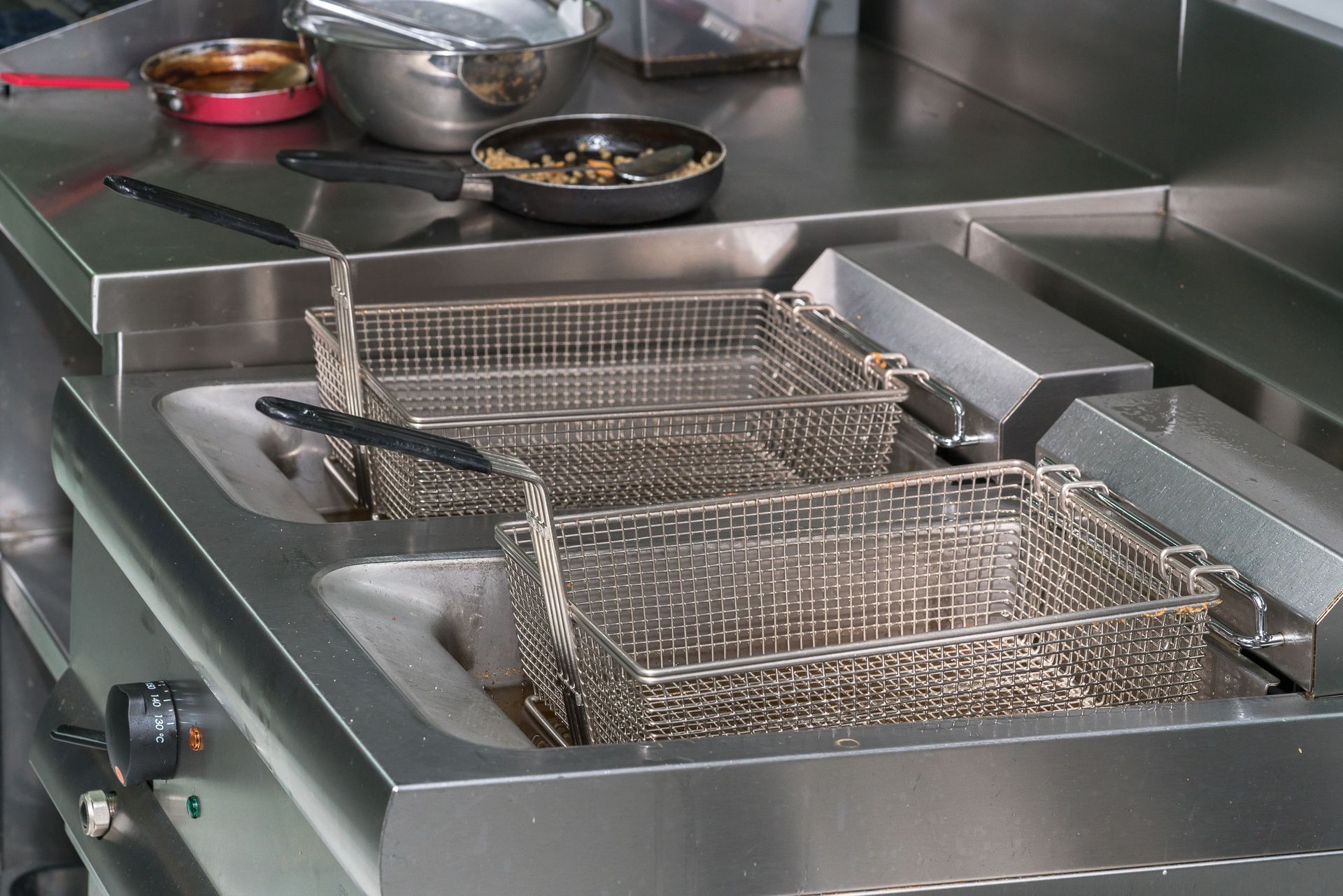
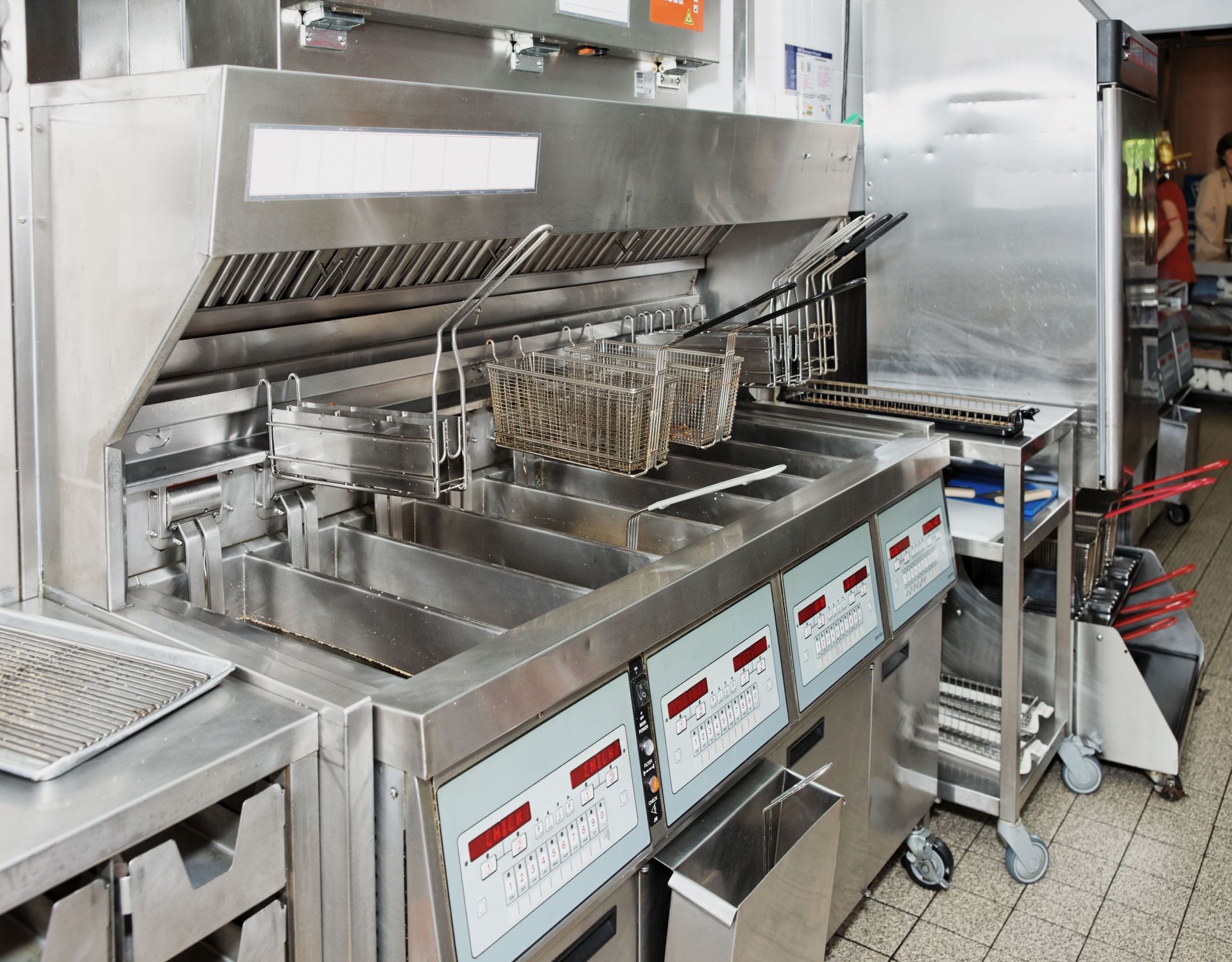
Commercial kitchens generate significant amounts of used cooking oil through daily food preparation. Restaurants, cafeterias, catering businesses, and other food service establishments must manage this waste carefully to maintain safe and sanitary operations. Improper disposal can create plumbing problems, environmental concerns, and unnecessary expenses. Fortunately, professional recycling services provide a practical alternative to pouring grease into drains or disposing of it with ordinary trash. Working with a cooking oil recycling company allows businesses to establish dependable collection procedures while supporting responsible waste management. Understanding the advantages of professional recycling can help food service operators protect their facilities, simplify daily operations, and make informed decisions about handling used cooking oil.
Preventing Plumbing Problems and Drainage Blockages
Used cooking oil can cause serious plumbing problems when disposed of improperly. Although grease may appear liquid immediately after cooking, it can cool and accumulate inside pipes. Over time, these deposits may restrict water flow, contribute to blockages, and increase the likelihood of wastewater backups. Commercial kitchens are particularly vulnerable because they frequently handle large quantities of fats, oils, and grease during normal food preparation.
A cooking oil recycling company helps businesses establish appropriate disposal practices by providing designated collection options. Instead of allowing employees to pour grease into sinks or floor drains, managers can direct them to approved storage containers. Regular collection reduces the amount of waste oil accumulating on the premises. These practices can complement routine grease trap maintenance and help protect plumbing systems from preventable problems.
Supporting Environmental Protection and Resource Conservation
Improperly discarded cooking oil can contribute to environmental contamination when it enters waterways, drainage systems, or surrounding soil. Grease accumulation may also interfere with wastewater treatment processes and create additional challenges for municipal infrastructure. Food service businesses can reduce these risks by separating used cooking oil from ordinary waste and arranging appropriate collection. Responsible disposal practices demonstrate attention to environmental protection and the effects of commercial operations.
Professional recycling services can direct collected cooking oil toward facilities that process it into usable materials. Depending on the recycling operation, recovered oil may become an ingredient in biodiesel production or other industrial applications. Repurposing suitable materials helps reduce unnecessary waste and supports more efficient resource use. Businesses that prioritize responsible recycling can incorporate these practices into broader sustainability initiatives without disrupting essential kitchen activities.
Maintaining Cleaner and Safer Kitchen Environments
Handling used cooking oil presents practical challenges for employees working in busy commercial kitchens. Spilled grease can create slippery surfaces, while improperly stored containers may produce odors or attract pests. Hot oil also requires careful handling to prevent burns and other injuries. Without established procedures, employees may struggle to manage waste efficiently during demanding shifts. Organized collection systems help reduce these concerns and support safer working conditions.
A cooking oil recycling company may provide suitable storage containers and scheduled collection services that simplify waste handling. Employees can transfer cooled oil into designated receptacles according to established safety procedures. Containers should remain securely closed and positioned away from areas where they could obstruct movement. Regular removal helps prevent unnecessary accumulation, allowing kitchen personnel to maintain cleaner workspaces and concentrate on food preparation responsibilities.
Improving Compliance With Waste Disposal Requirements
Commercial food service establishments must follow applicable regulations governing waste management, sanitation, and wastewater discharge. These requirements may address grease disposal, storage practices, and the maintenance of equipment designed to prevent fats and oils from entering sewer systems. Regulations vary by jurisdiction, making it important for business owners to understand their responsibilities. Improper disposal can result in corrective actions, operational disruptions, or financial penalties.
Working with an experienced recycling provider can help businesses develop disposal procedures that align with relevant requirements. Providers may explain acceptable collection materials, container placement considerations, and available service documentation. However, business owners remain responsible for understanding applicable local rules and maintaining necessary equipment. Coordinating professional oil collection with routine inspections and grease trap servicing can support a more comprehensive approach to regulatory compliance.
Reducing Waste Management Costs and Operational Disruptions
Inefficient cooking oil disposal can create expenses beyond the immediate cost of removing waste. Plumbing repairs, emergency drain cleaning, contaminated work areas, and interruptions to kitchen operations may affect a business's financial performance. Employees may also spend unnecessary time managing overflowing containers or addressing preventable spills. Establishing an organized collection program can help operators reduce these disruptions and allocate resources more effectively.
A cooking oil recycling company can offer scheduled pickups based on the volume of oil a business generates. Consistent collection reduces the likelihood of containers reaching capacity before service arrives. Some providers may offer collection arrangements or compensation programs depending on oil quality, quantity, and market conditions. Comparing service terms, pickup frequency, and potential fees helps business owners select an arrangement that supports their operational budgets.
Establishing Reliable Collection and Storage Procedures
Every commercial kitchen produces different quantities of used cooking oil depending on its menu, equipment, and customer volume. A restaurant operating several fryers may require more frequent collection than a smaller establishment preparing limited fried foods. Without an appropriate schedule, storage containers can become overcrowded or difficult to manage. Developing predictable collection procedures helps businesses maintain sufficient capacity and avoid unnecessary interruptions.
Professional providers can evaluate anticipated oil volumes and recommend suitable container sizes and service intervals. According to IBISWorld, 78 businesses in the United States specialize primarily in cooking oil recycling. Businesses comparing providers should consider collection reliability, available equipment, service areas, and responsiveness. Clear communication about scheduling changes and unexpected increases in oil production can help maintain efficient collection throughout busy operating periods.
Strengthening Sustainability Practices and Business Reputation
Customers increasingly encounter information about how businesses manage resources, packaging, and waste. For restaurants and other food service establishments, responsible cooking oil disposal can become one component of a broader environmental strategy. Recycling suitable materials demonstrates an effort to reduce unnecessary waste while maintaining practical operating standards. However, businesses should ensure that any environmental claims accurately reflect their actual practices and documented recycling activities.
Partnering with a cooking oil recycling company can help operators establish consistent procedures that support their sustainability goals. Managers may incorporate recycling expectations into employee training and communicate relevant practices through business materials. Tracking collection volumes, when documentation is available, can also help businesses evaluate their waste management efforts. These measures encourage accountability and demonstrate that environmental considerations are part of everyday operational decisions.
Simplifying Employee Training and Daily Kitchen Operations
Effective waste management depends on employees understanding how to handle materials correctly. In commercial kitchens, staff members must distinguish between used cooking oil, food scraps, cleaning chemicals, and other waste products. Confusing disposal procedures can lead to contaminated recycling containers, spills, or improper drainage practices. Clear instructions and accessible storage equipment make it easier for employees to follow established requirements during busy service periods.
Managers can support consistent practices by providing written instructions, identifying designated collection areas, and reviewing safe handling procedures during training. Employees should understand when oil is cool enough to transfer, which containers are acceptable, and whom to notify when storage approaches capacity. Regular communication with the recycling provider can help address collection concerns. Straightforward procedures reduce confusion and allow kitchen teams to manage waste more efficiently.
Professional cooking oil recycling offers numerous advantages for commercial food service establishments seeking dependable waste management solutions. Appropriate collection procedures can help prevent plumbing problems, reduce environmental risks, improve workplace cleanliness, and support compliance with applicable disposal requirements. Organized storage and reliable pickup schedules may also limit operational disruptions while making employee responsibilities easier to manage. Choosing the right cooking oil recycling company involves evaluating collection availability, container options, service reliability, and the specific needs of a commercial kitchen. Businesses should also consider how recycling fits into their broader sustainability and maintenance practices. By establishing consistent procedures and working with experienced professionals, operators can manage used cooking oil more responsibly while maintaining efficient daily operations. If your restaurant or commercial kitchen needs dependable used cooking oil collection and recycling services, contact A&P Grease Trappers, Inc. today to discuss your waste management needs and available service options.