November 20, 2026
In a fast-paced commercial kitchen, a single clogged drain or overflowing grease trap can bring service to a grinding halt, leading to costly downtime and health code violations. Relying on experienced restaurant drain specialists ensures that complex plumbing networks, floor drains, and grease interceptors remain clear and compliant behind the scenes. This article explores the essential roles, advanced cleaning techniques, and daily challenges these professionals manage to keep commercial kitchens running smoothly.
Understanding the Essential Role of Drain Specialists
Highlighting Specialist Importance in the Food Industry
Restaurant drain specialists play a pivotal role in the food industry by ensuring that all drainage systems operate smoothly. These professionals are crucial in preventing clogs and backups that can lead to service interruptions. With proper drain maintenance, kitchens can avoid unsanitary conditions that might compromise food safety. Moreover, specialists help adhere to health regulations, reducing the risk of fines and potential closures. Their work ultimately ensures the reliability of kitchen operations, allowing the establishment to focus on providing excellent dining experiences.
Developing Technical Skills for Effective Drain Maintenance
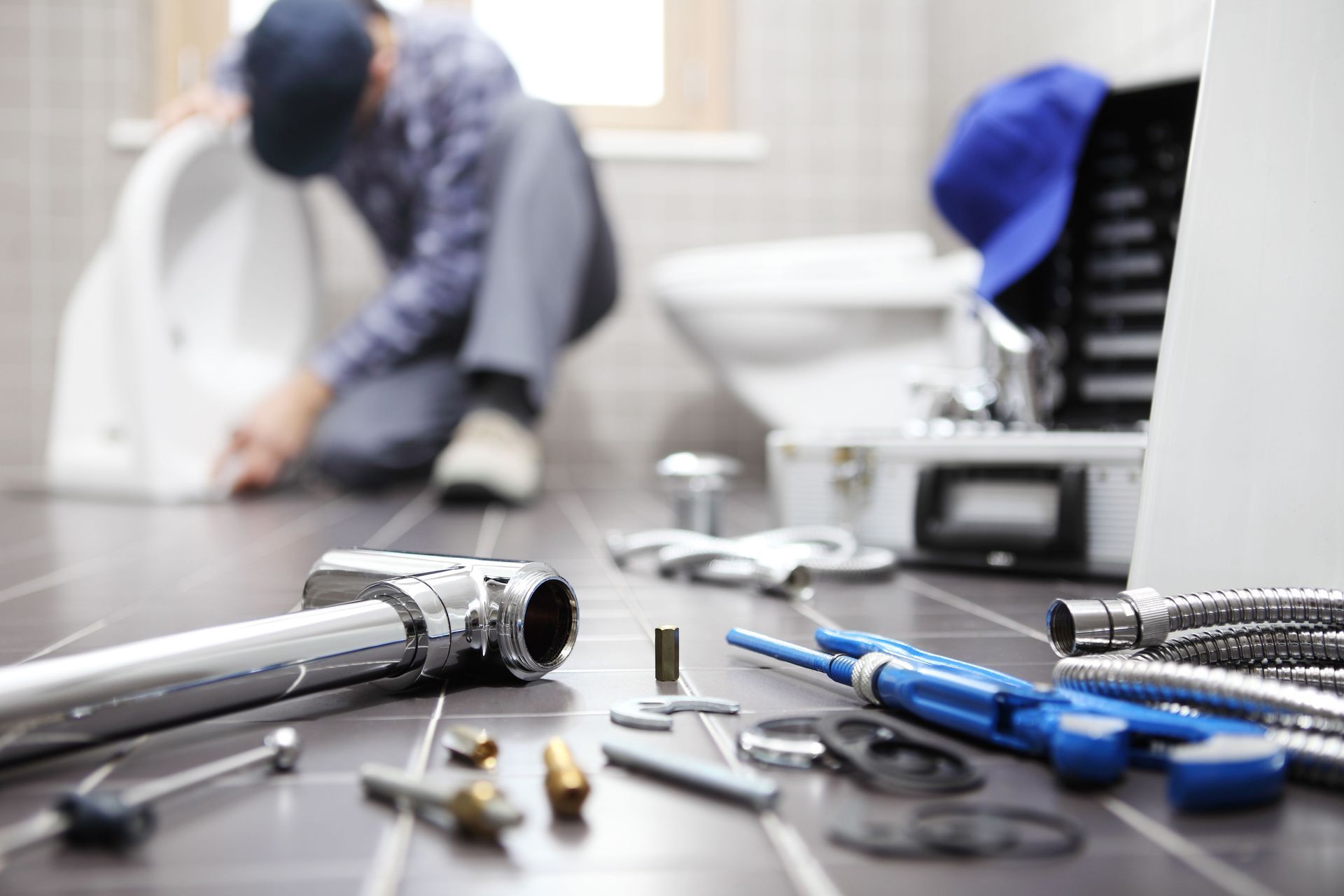
Effective drain maintenance requires a combination of technical skills, experience, and problem-solving abilities. Specialists must be adept at identifying potential issues before they become major problems. They need hands-on skills in using various tools such as augers, snakes, and hydro jetting equipment. A thorough understanding of local health codes and safety protocols is essential. Additionally, strong communication skills are necessary to educate kitchen staff on best practices for avoiding drain issues.
Managing Daily Kitchen Inspection and Compliance Responsibilities
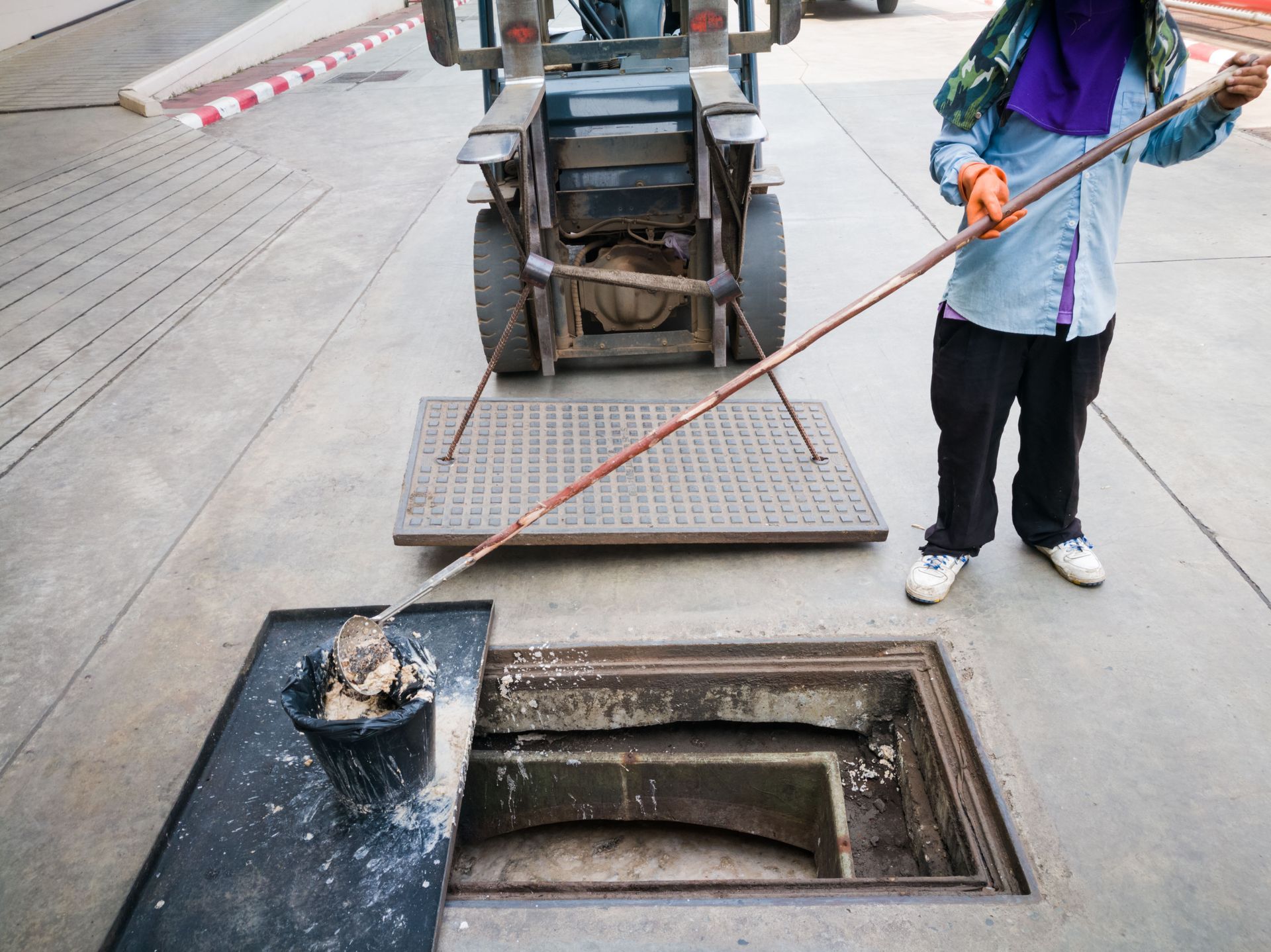
On a daily basis, restaurant drain specialists are tasked with inspecting and maintaining kitchen drain systems. This includes regular checks on grease traps, which, according to Wind River Environmental, require cleaning about every 30 days depending on local ordinances. Their responsibilities also involve diagnosing potential issues and implementing immediate fixes when problems arise. Communicating with kitchen staff to minimize disruptions and advising on preventative practices is crucial. They also keep detailed records of maintenance activities for compliance and future reference.
Applying Proven Techniques to Maintain Kitchen Drains
Conducting Regular System Inspections and Pipe Diagnostics
Regular inspections are a cornerstone of effective drain maintenance. Specialists routinely check systems for signs of wear or potential blockages. This proactive approach allows them to identify and address weaknesses before they turn into costly malfunctions. Rigorous diagnostics also involve using advanced equipment to assess the condition of pipes and drains internally. Partnering with dedicated restaurant drain specialists for routine inspections maintains system longevity and reliability, supporting uninterrupted kitchen operations.
Applying Safe Chemical Treatments for Clog Prevention
Chemical treatments are often employed as a form of preventative maintenance to reduce clog risks. Drain specialists use eco-friendly solutions designed to break down grease, food particles, and other organic matter within the pipes. However, careful application and timing are crucial to avoid damage to piping and ensure environmental compliance. Regular chemical treatments complement physical cleaning methods to enhance effectiveness. When applied correctly, these treatments significantly decrease the likelihood of persistent clogs and backups.
Utilizing High-Pressure Hydro Jetting for Deep Cleaning
Hydro jetting is a powerful technique used by restaurant drain specialists for deep cleaning and clearing tough blockages. This method involves using high-pressure water streams to scour the interior surfaces of pipes, removing debris and buildup effectively. Specialists employ hydro jetting in scenarios where traditional snaking might not be thorough enough. This technique is particularly useful in tackling grease deposits that can pose significant challenges in restaurant settings. By incorporating hydro jetting into regular maintenance schedules, specialists ensure long-term drain reliability and performance.
Overcoming Operational Challenges in Commercial Kitchen Environments
Navigating Intricate and Complex Commercial Kitchen Layouts
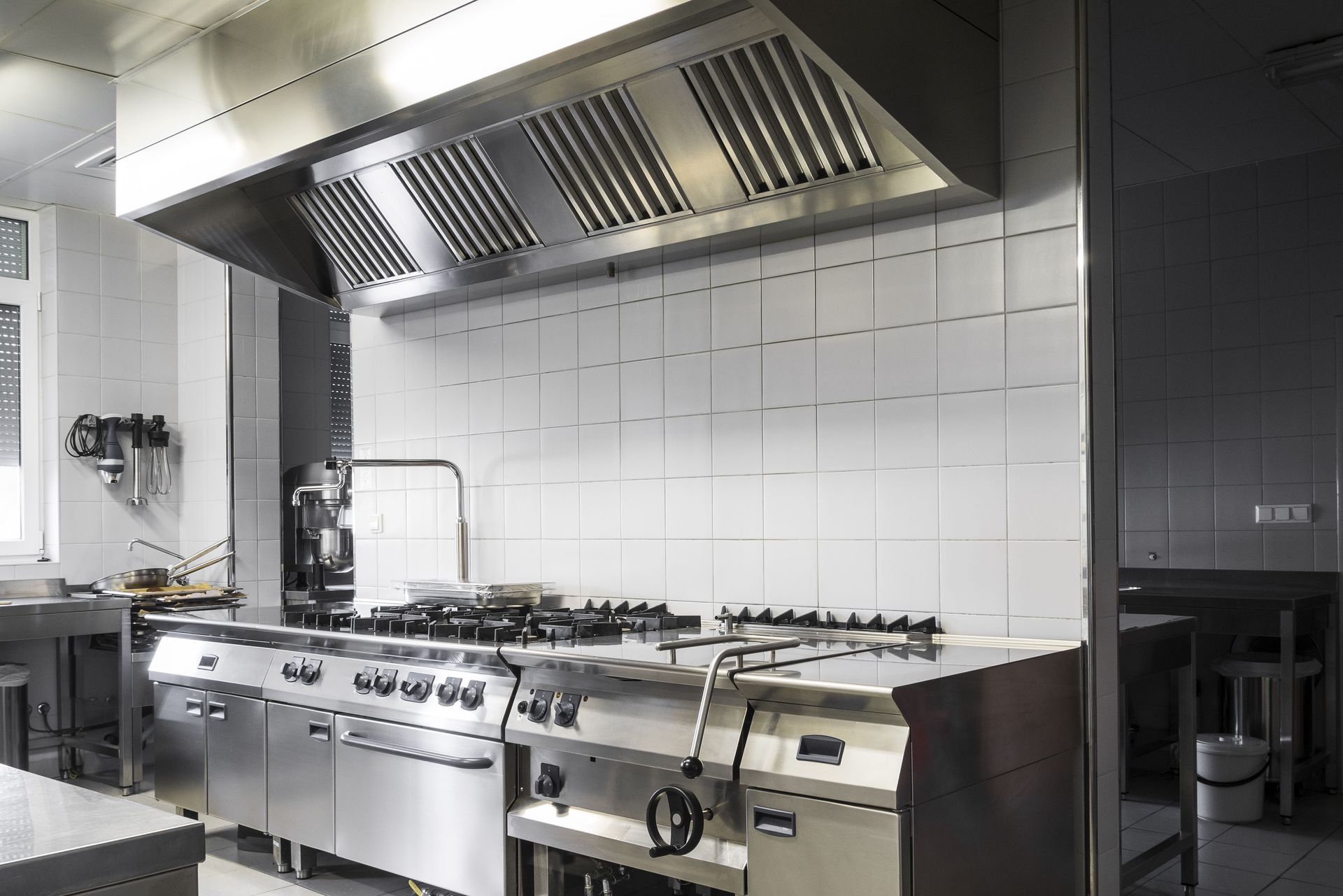
Complex kitchen layouts pose significant challenges for drain specialists trying to maintain optimal drainage conditions. These intricate designs often include multiple sinks, appliances, and drain points, complicating the entire sewage process. Navigating such complexities requires a solid understanding of the specific plumbing layout and potential problem areas. Specialists must be skilled in adapting their techniques to each unique setting, ensuring that every drain point functions flawlessly. Their adaptability is critical to overcoming the hurdles presented by varied and intricate kitchen configurations.
Working Around Tight Schedules During Peak Hours
Peak hours in restaurant operations impose time constraints that restaurant drain specialists must skillfully navigate. The demand for uninterrupted kitchen function means maintenance tasks often need to be performed swiftly and efficiently. Specialists frequently develop strategies to carry out essential work with minimal disruption. This requires excellent time management and coordination with kitchen staff to prioritize maintenance without incurring delays in service delivery. Successfully negotiating these time constraints ensures that restaurants maintain their standards of service during high demand periods.
Meeting Strict Environmental Standards and Waste Regulations
Adhering to environmental considerations and regulations is a continuous challenge for drain specialists. These professionals are required to comply with local and national standards governing waste disposal and chemical usage. Balancing efficiency with sustainable practices demands thorough knowledge of environmental policies. This ensures operations meet regulatory standards while minimizing environmental impact. Specialists must remain vigilant about adopting the latest eco-friendly technologies and methods to align their practices with both legislative and ethical responsibilities.
Exploring the Future of Commercial Drain Maintenance
Adopting Eco-Friendly and Sustainable Drain Cleaning Practices
Sustainability is increasingly influencing trends in drain maintenance, encouraging specialists to adopt environmentally conscious practices. Emphasis is on using biodegradable cleaning agents and techniques that minimize water and chemical use. There's a growing push for recycling wastewater where feasible, supporting broader ecological goals. This focus on sustainable solutions aligns with consumer demand for green initiatives within the dining industry. By integrating these practices, restaurant drain specialists contribute to a more sustainable future while enhancing service quality.
Adapting to Evolving Health and Waste Regulations
Potential regulations governing drain services continue to shape industry practices, reflecting evolving health and environmental standards. Tighter regulations could include stricter controls on waste management and chemical usage. Specialists need to stay informed about upcoming legislative changes to adapt their methods accordingly. Compliance with new regulations not only protects establishments from fines but also elevates operational standards. Remaining agile and informed about legal developments ensures that drain specialists can maintain service excellence in an ever-evolving regulatory landscape.
Investing in Ongoing Technician Training and Education
Developing the future workforce of drain specialists is essential to sustaining industry standards and advancing capabilities. Education programs focusing on new technologies, sustainability, and advanced diagnostic methodologies can prepare specialists for emerging challenges. Investing in this workforce development ensures an adequate pool of skilled workers ready to meet evolving industry demands. Improved training initiatives can attract new talent and enable existing professionals to maintain competitive edges. Supporting educational growth within this field ensures long-term success and innovation continuity.
Keeping a commercial kitchen running at full capacity depends heavily on proactive, behind-the-scenes plumbing and grease trap care. By combining routine video diagnostics, high-pressure hydro jetting, and eco-friendly maintenance schedules, experienced restaurant drain specialists protect restaurants from disruptive backups and costly health code fines. Investing in regular professional upkeep ensures your drainage system remains dependable, sanitary, and ready for every busy dinner rush.
Keep your commercial kitchen flowing smoothly and compliant with local health codes by contacting A&P Grease Trappers, Inc today to schedule your professional drain and grease trap service! Get your free estimate!