September 17, 2026
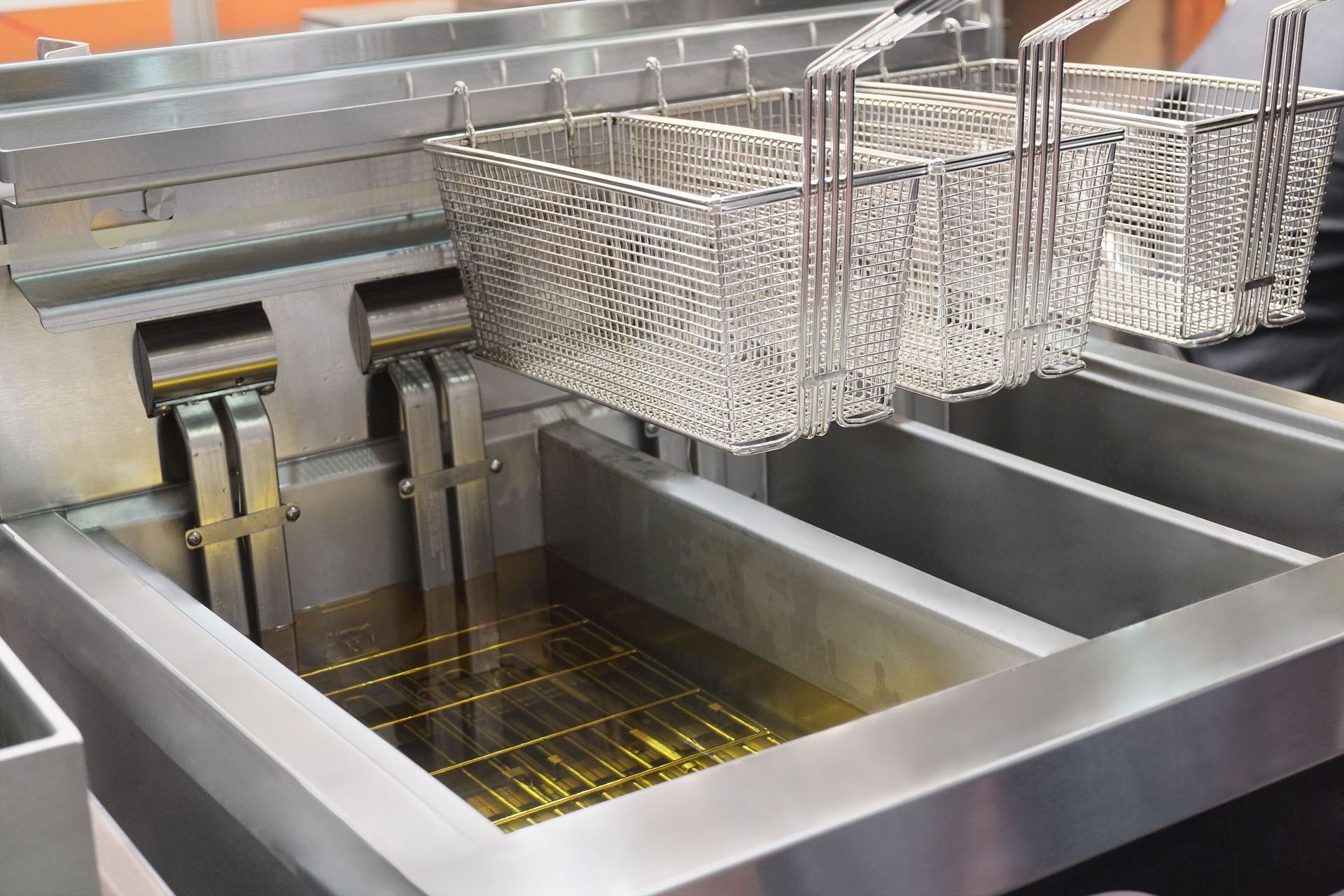
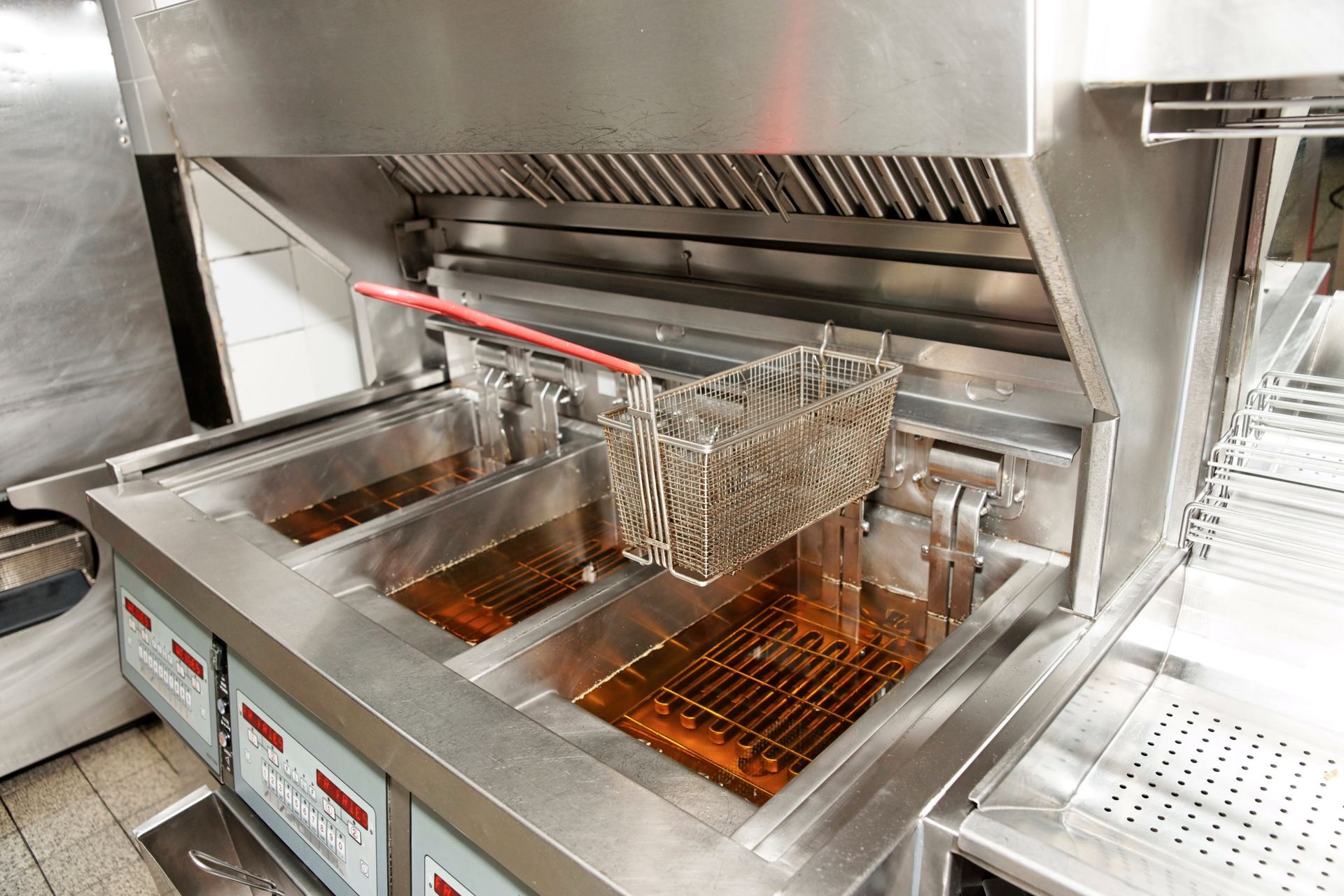
The commercial kitchen is a high-stakes, fast-paced environment where precision, timing, and organization are the keys to success. During a busy dinner rush, the last thing your back-of-house staff needs to worry about is a hazardous, inefficient, or messy process for handling used cooking oil. Deep fryers are the lifeblood of many profitable restaurant menus, producing everything from crispy french fries to signature fried chicken. However, the byproduct of these beloved dishes — used cooking oil — can become a significant liability if it is not handled correctly.
Without a clear, standardized procedure for draining, transporting, and storing used fryer grease, restaurants open themselves up to severe risks. These include devastating workplace injuries, slowed operational speeds, and massive regulatory fines. Transforming this burdensome chore into a smooth, automated, and secure procedure is essential for modern foodservice establishments. By implementing a comprehensive restaurant oil recycling program, owners and operators can fundamentally transform their back-of-house operations, protecting their employees while simultaneously optimizing their daily output.
Boosting Overall Kitchen Safety
Workplace safety should always be the primary concern for any restaurant owner or general manager. Handling used cooking oil is inherently dangerous. When employees are tasked with manually draining this scalding liquid into open buckets, carrying those heavy buckets across a busy kitchen floor, and hoisting them into an outdoor rendering tank, the risk for disaster is incredibly high.
A single splash can result in severe burns, requiring immediate medical attention, long-term workers’ compensation claims, and a demoralized staff. Furthermore, carrying open pots of oil inevitably leads to drips and spills on the kitchen floor. Grease is notoriously difficult to clean quickly, and even a microscopic layer of oil on a tile floor creates a severe slipping hazard. Slips and falls are among the most common and costly accidents in the foodservice industry.
By upgrading to a modern restaurant oil recycling protocol — such as utilizing secure oil caddies, pump stations, or direct-plumbed enclosed systems — you completely eliminate the need for staff to transport hot, open containers of oil by hand. The oil is securely moved from the fryer vat directly to the holding tank without ever exposing your workers to dangerous splashing or slippery floor spills, ensuring a vastly safer working environment.
Streamlining Daily Staff Workflow
In today's highly competitive hospitality industry, labor shortages and high turnover rates are constant challenges. Your kitchen staff's time is incredibly valuable, and every minute they spend wrestling with cumbersome maintenance tasks is a minute taken away from food preparation, plating, and customer service. Manually changing fryer oil is universally despised by kitchen crews; it is a messy, time-consuming, and physically exhausting chore that brings food production to a grinding halt.
When employees have to wait for oil to cool, manually drain it, scrub the vats, carefully walk the waste to a bin, and then clean up the inevitable trail of grease left behind, you are losing valuable hours of labor every week. Integrating effective restaurant oil recycling procedures into your kitchen instantly streamlines this workflow. Modern oil management tools allow staff to drain and filter fryers in a fraction of the time. Because the process becomes clean and efficient, closing duties are completed much faster, reducing overtime labor costs and keeping staff morale high. Employees can focus on what they were actually hired to do: crafting excellent food and maintaining a sanitary cooking environment.
Ensuring Strict Regulatory Compliance
Municipalities across the country are cracking down harder than ever on how commercial kitchens dispose of their Fats, Oils, and Grease (FOG). When grease enters the municipal sewer system, it cools, solidifies, and creates massive blockages that can destroy public infrastructure. Because of this, local water authorities and health departments conduct stringent, unannounced inspections to ensure that restaurants are properly storing and disposing of their waste oil.
Failing to adhere to these local, state, and federal regulations is not just a minor slap on the wrist; it can threaten the very existence of your business. According to Grease Trap Locator, illegal cooking oil dumping risks $1,000 to $25,000 in daily fines per violation. These penalties can accumulate rapidly, and repeat offenders may even face forced temporary closures or the revocation of their operating licenses. Having a documented, professional restaurant oil recycling plan in place with a certified vendor guarantees that your establishment remains in total compliance. A licensed partner will provide the necessary manifests and documentation to prove to any health or environmental inspector that your used oil is being handled strictly by the book.
Protecting the Local Environment
Beyond the financial threat of municipal fines, responsible waste management is a core component of modern corporate social responsibility. When used cooking oil is poured down the drain, dumped in alleyways, or improperly sealed in outdoor bins where it can leak into storm drains, it severely damages the local ecosystem. Grease runoff contaminates local waterways, harming aquatic life and disrupting the natural balance of your community’s environment.
Furthermore, grease poured down the drain contributes to the formation of "fatbergs" — massive, concrete-like masses of congealed fat and non-biodegradable waste that clog city sewer mains. Removing these blockages costs cities millions of taxpayer dollars annually. By committing to dedicated restaurant oil recycling initiatives, your business actively prevents these environmental disasters. Even better, partnering with the right recycling facility means your waste oil doesn't just sit in a landfill. Instead, it is repurposed and refined into sustainable, clean-burning biodiesel fuel, reducing reliance on fossil fuels and lowering global carbon emissions.
Elevating Overall Food Quality
An often-overlooked benefit of proper oil management is the direct impact it has on the quality, taste, and presentation of your food. Frying oil has a limited lifespan. As it breaks down from heat, moisture, and food particles, it begins to smoke at lower temperatures, imparts bitter off-flavors to the food, and leaves fried items looking dark and unappetizing.
When the process of changing the fryer oil is dangerous, messy, and time-consuming, kitchen staff will inevitably delay doing it. This hesitation directly compromises the quality of your menu items. Conversely, when you have a safe, efficient system in place, staff are never hesitant to change the oil exactly when it needs to be changed. Regular, timely oil changes result in consistently golden, crispy, and delicious fried foods that keep your guests coming back for more.
Maximizing Bottom Line Profitability
Every operational decision in a restaurant ultimately comes down to profitability. While the upfront investment in better oil management equipment or the decision to hire a premium grease management service might seem like an added expense, it is actually a strategic cost-saving measure. First, you drastically reduce your liability for workers' compensation claims related to burns and falls, which can lower your insurance premiums over time. Second, the labor hours saved by speeding up the cleaning process translate directly to reduced payroll costs.
Additionally, relying on a strategic restaurant oil recycling system helps you capture every drop of your waste oil efficiently. Many high-quality oil recycling partners offer rebate programs based on the volume and quality of the used cooking oil they collect from your establishment. Instead of paying exorbitant fees for waste removal, your spent fryer oil can actually become a secondary revenue stream. When you combine reduced labor, lowered liability, eliminated fines, and potential recycling rebates, proper oil management easily pays for itself.
From thorough grease trap pumping and cleaning to seamless waste oil collection, we provide the infrastructure and expertise required to keep your business running smoothly, safely, and legally. Don't let hazardous waste handle your business — let us handle your waste. Reach out to A&P Grease Trappers, Inc today to learn more about how our restaurant oil recycling services can protect your staff, streamline your operations, and safeguard your bottom line.